
Last updated November 15, 2026
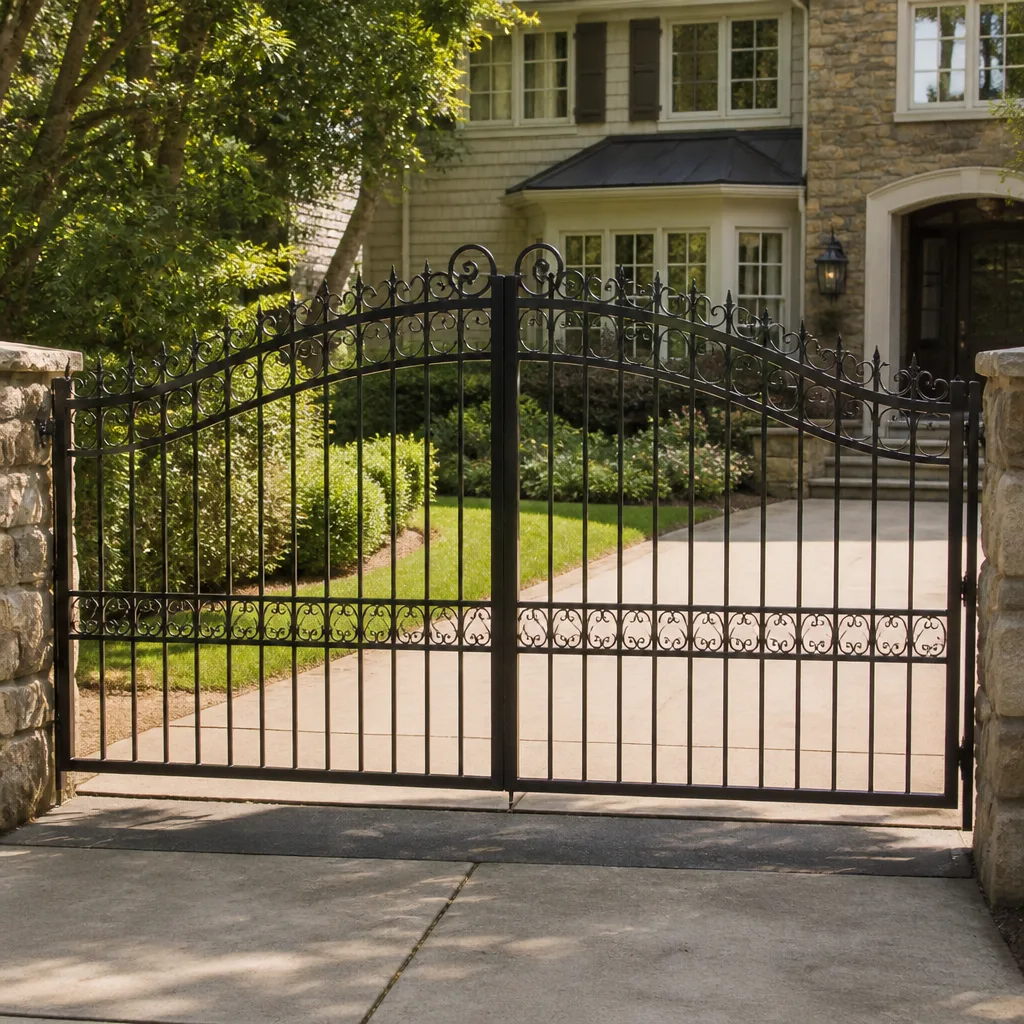 Wrought iron
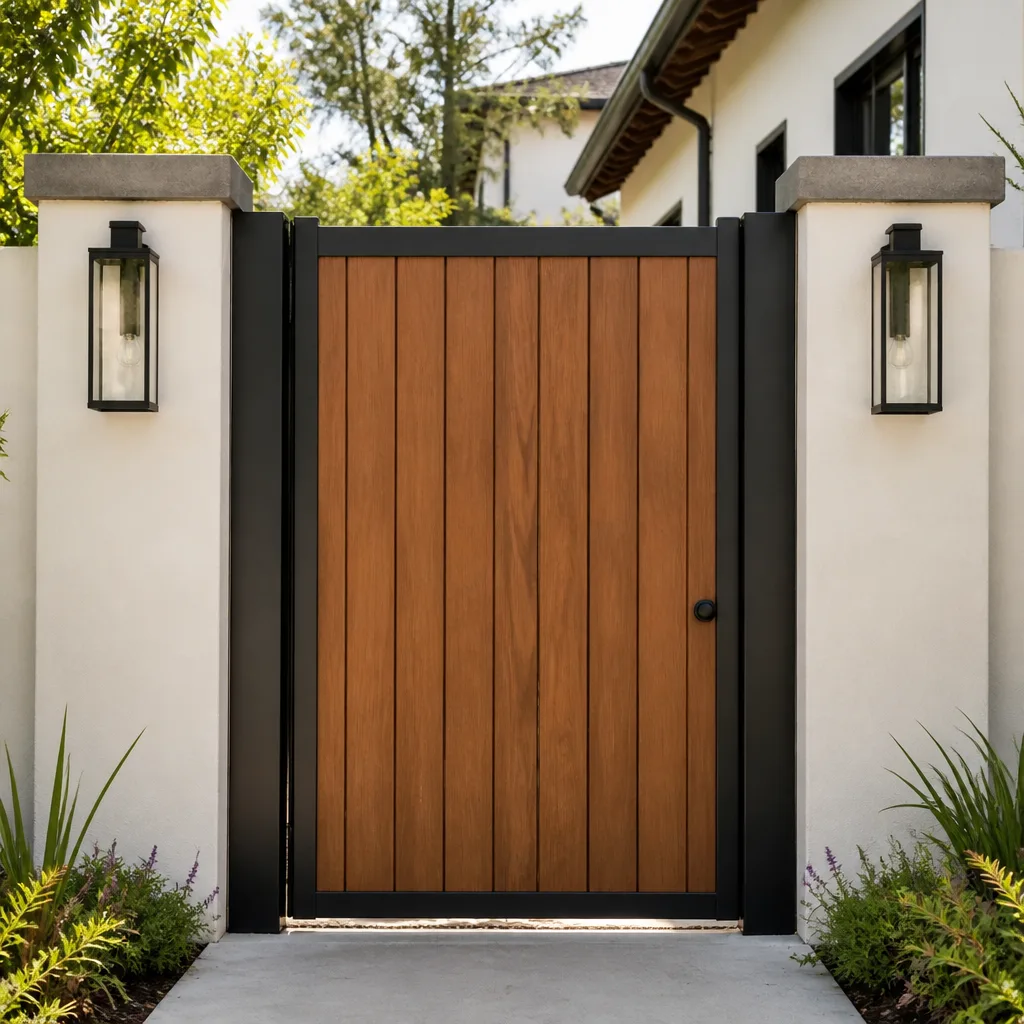 Wood & steel frame
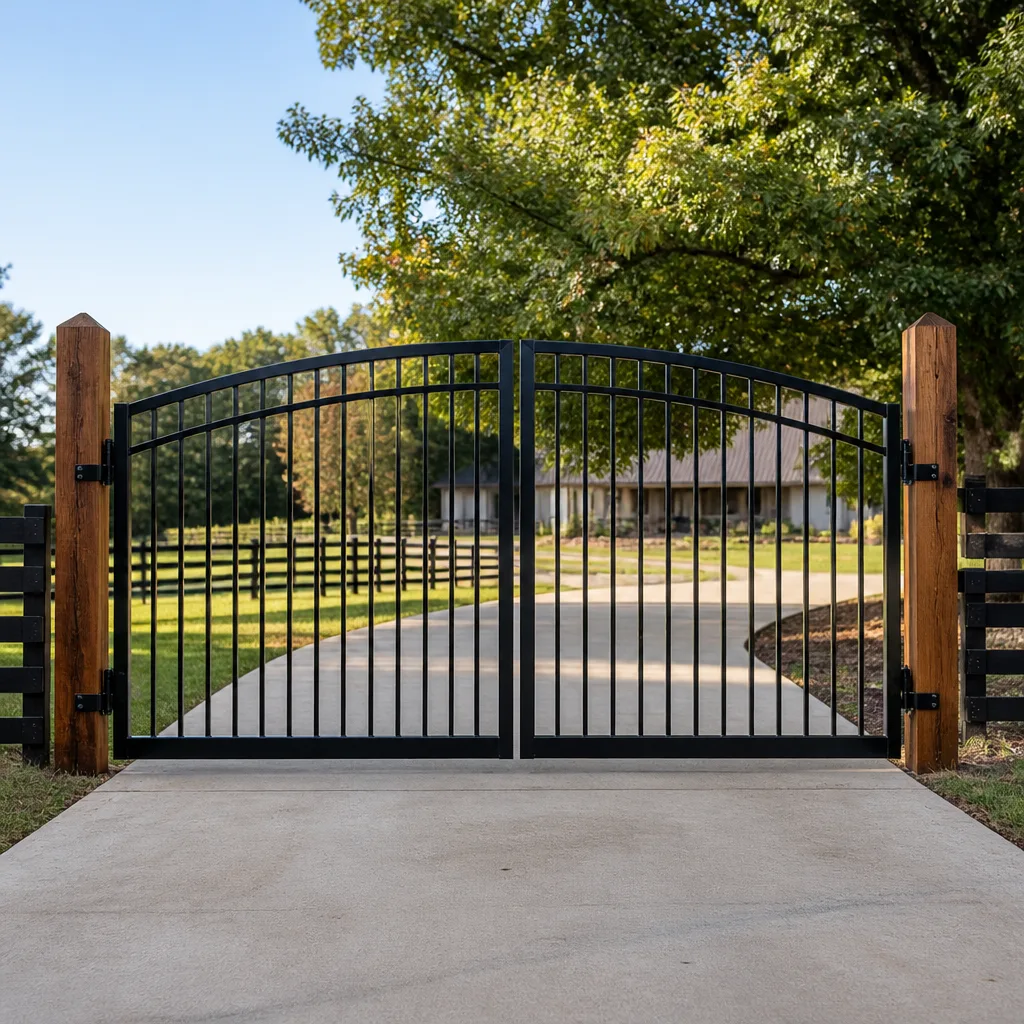 Farm & ranch
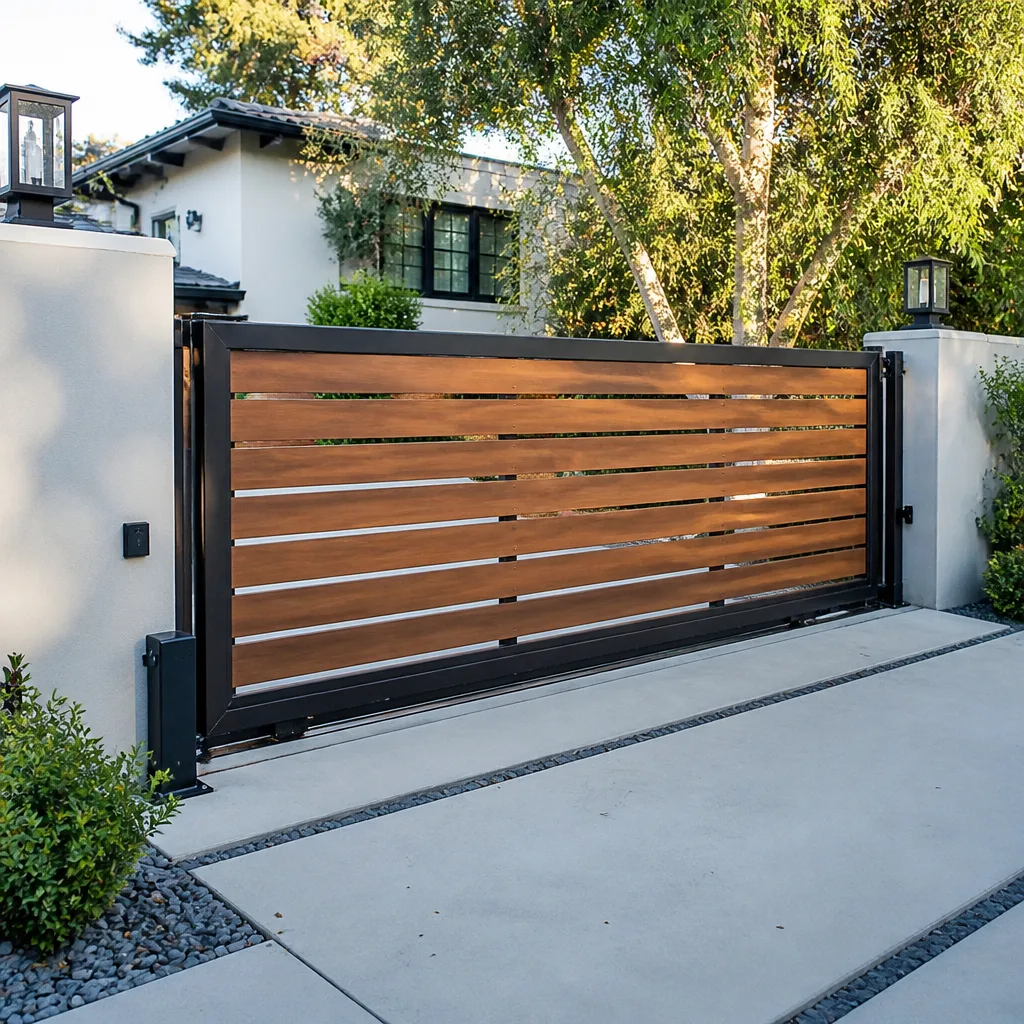 Sliding driveway gates
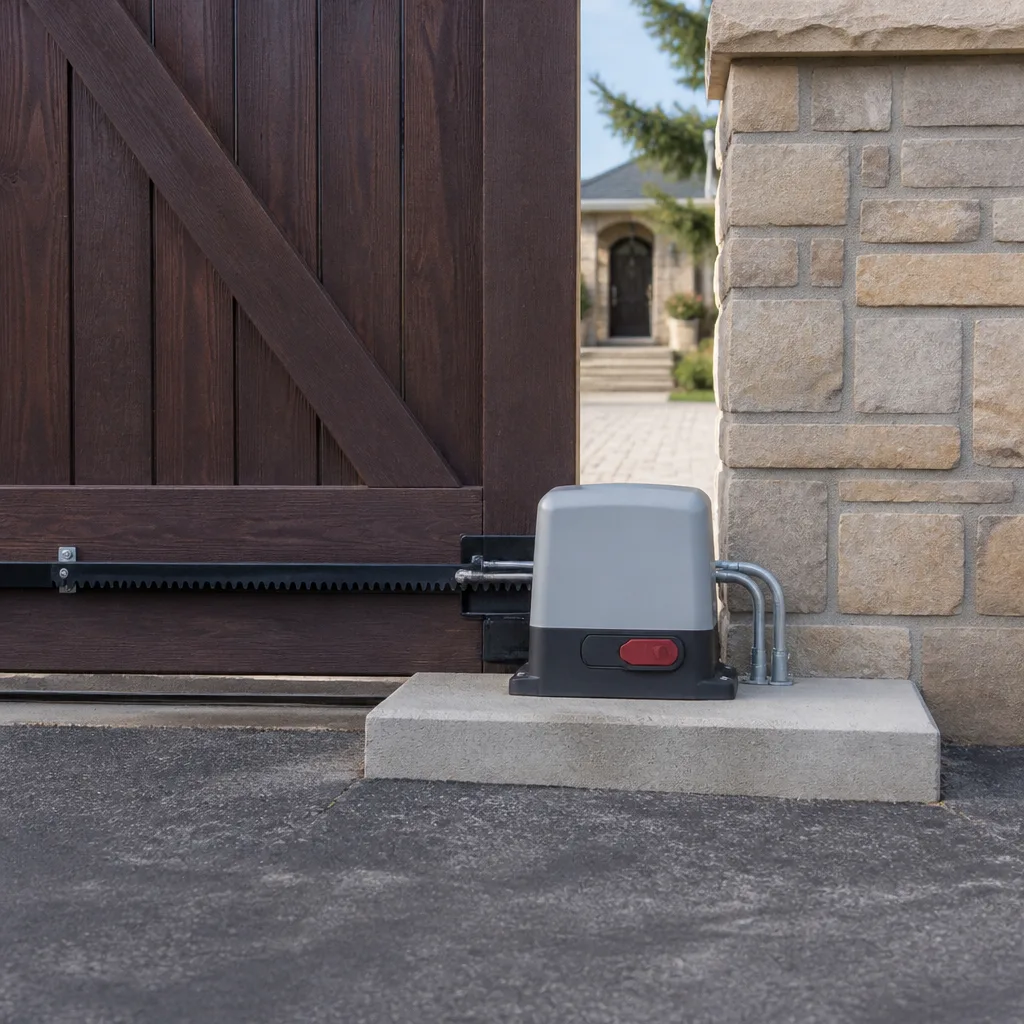 LiftMaster operators
Free on-site gate assessment - hinges, posts, and your LiftMaster or Nice gate operator checked before anything is quoted
The assessment is free and the quote is the invoice.
Get your free estimateChoosing the Right Gate Repair Brand: A Buyer’s Guide for Enterprise
The cheapest gate operator at installation often becomes the most expensive to own. Not because the unit fails faster, but because the parts dry up. A control board gets discontinued, the manufacturer’s support line routes to a distributor that stopped carrying the line two seasons ago, and a gate that should have been a straightforward repair turns into a full replacement. We’ve watched this pattern repeat across the Las Vegas market with several brands, and it’s the single biggest reason brand choice matters more than the invoice on install day. This guide breaks down what actually drives long-term cost: duty cycle ratings that hold up in Enterprise heat, local parts availability, control board repairability, and how to read UL 325 documentation the way an installer should. You’ll finish knowing how to evaluate a brand on engineering merit, not brochure language.
Quick Answer
The right gate operator brand for an Enterprise property is the one with local parts availability in the Las Vegas and Henderson distribution network, a duty cycle rating that matches your actual daily cycles, field-repairable control boards, and verified thermal performance above 105°F. Purchase price tells you almost nothing about ownership cost. A brand that costs more upfront but stays repairable and supported locally will usually cost less over a decade than a bargain unit that goes unserviceable within five years.
Styles & brands we work with
- Wrought iron
- Wood & steel frame
- Farm & ranch
- Sliding driveway gates
- LiftMaster operators
Table of Contents
- Why Brand Decisions Are Engineering Decisions
- Parts Availability in the Las Vegas Market
- Duty Cycle Ratings Translated for Real Properties
- Control Board Repairability and the Hidden Cost Gap
- Heat Performance: What Survives an Enterprise Summer
- Reading UL 325 Documentation Correctly
- How to Evaluate a Brand in Seven Steps
- Matching the Brand to the Gate and the Property
Why Brand Decisions Are Engineering Decisions
A gate operator is a machine that runs on a schedule, in weather, for years. Brand selection determines three things no marketing page will tell you: whether replacement parts are sitting on a shelf within driving distance, whether the control board can be repaired or must be replaced whole, and whether the manufacturer’s technical support is set up to help a repair technician or a purchasing department. Those three factors drive almost every dollar you’ll spend after the initial install.
In Enterprise, the calculus gets sharper. Summer heat is sustained, not occasional. A gate that runs ten times a day in a mild climate runs the same ten times here but in 110°F air, and every component on the board ages faster. A brand with a thin thermal margin that performs adequately elsewhere can thermal-limit during an Enterprise July. That’s an engineering problem with an engineering answer: choose a brand rated and tested for continuous duty above 105°F, and confirm it with documentation rather than a spec sheet headline.
This is the difference between a gate specialist and a generalist reading a catalog. Gate Repair Enterprise focuses exclusively on gates, which means the parts question, the duty cycle question and the thermal question come up on every job we quote. You can read more about our Gate Repair Enterprise approach to brand-matched work if you want the full picture of how we handle systems from different manufacturers.
Parts Availability in the Las Vegas Market
Parts availability is the most underrated factor in brand selection, and it’s the one most buyers never ask about. In the Las Vegas and Henderson distribution network, some brands have deep local supply, some have regional warehouses a short truck run away, and some route every part through a single distributor who may or may not still carry the line. That distinction determines whether a dead operator is a same-day fix or a two-week wait.
When a brand requires 7 to 14 days to ship a replacement board or operator head, emergency repair stops being practical. A commercial property with a gate stuck closed can’t wait two weeks for a control board from a regional depot. The gate becomes a manual gate, and the staff or residents start working around the failure. We’ve seen this push property managers to replace a unit that only needed a board, simply because the board was unreachable.
Here’s how local availability tends to break down in this market:
- Strong local supply: brands like LiftMaster and Linear are widely stocked through the regional distribution network, so common parts are often reachable quickly.
- Moderate local supply: brands like FAAC, BFT, DoorKing and Elite have regional availability, but specific boards or operator heads may need a distributor order rather than a shelf pull.
- Order-dependent supply: brands like Ghost Controls and Mighty Mule, which are common on residential DIY and light duty installs, often require shipping for internal components, which matters when a homeowner wants a fast repair.
Before you commit to a brand, ask a repair technician which parts for that model they can get locally and which require an order. A brand with strong local coverage is a brand you can keep running. That’s the practical reason gate repair in this market leans toward brands with real distribution depth.
Duty Cycle Ratings Translated for Real Properties
Duty cycle ratings get misrepresented at point of sale more than any other spec. A “1,000 cycles per month” rating sounds like headroom until you realize it means roughly 33 open-and-close cycles a day. For a household gate that opens for the morning commute and again in the evening, that’s generous. For a commercial property with heavy traffic, it’s a hard ceiling that gets hit by mid-morning.
Translating the rating to actual use is the whole exercise. A cycle is one full open and one full close, so a two-car household gate might log eight to twelve cycles a day, well inside a residential rating. A commercial lot with regular delivery traffic or a multifamily community with resident access can easily run 200 to 400 cycles a day, which is far beyond a residential-rated operator and pushes a light duty unit into failure. When someone sells a residential operator as “commercial grade,” the rating is the thing to check.
This is where brand matters, because different manufacturers rate their units differently and some are more honest than others about what a rating covers. When we evaluate a system for an Enterprise property, we ask three questions:
- What’s the manufacturer’s stated cycle rating, and is it cycles per day, week or month?
- What duty class does that rating correspond to for the property’s actual traffic pattern?
- Does the brand document thermal testing at the temperatures the unit will actually see?
If the answers don’t line up with real daily use, the brand is wrong for the property regardless of price. An operator chosen to fit the traffic will last. One chosen to fit a budget will be replaced early.
Control Board Repairability and the Hidden Cost Gap
The control board is where gate repair costs diverge sharply, and it’s a factor almost no buyer evaluates upfront. Some brands use modular boards with replaceable relays, separate logic boards and field-serviceable components. Others seal the board as a single unit, which means any internal failure requires a full board replacement. The difference between a $300 repair and a $900 repair usually comes down to which design the brand uses.
Modular design doesn’t just reduce parts cost. It reduces diagnosis time, because a technician can test individual components and replace only the failed part. Sealed units force a replace-and-hope approach, and if the new board fails the same way because the underlying cause wasn’t found, you’ve spent the money twice. Brands vary widely here, and the pattern isn’t tied to price tier. A premium brand can use a sealed board, and a mid-range brand can use a modular one. You have to check the specific model.
When we assess a system, we look for four things on the board:
- Whether relays and logic components are individually replaceable
- Whether the manufacturer publishes board-level diagnostics and fault codes
- Whether replacement boards are available locally rather than order-only
- Whether the board is protected from the heat and dust that come with an outdoor enclosure in Enterprise
Understanding this is central to electric gate repair, because electrical faults are the most common reason a gate stops. Knowing a brand’s board architecture before you install it saves you from being locked into full-board replacement for the life of the gate.
Heat Performance: What Survives an Enterprise Summer
Thermal performance separates brands in this climate more than anywhere else. Enterprise summers run sustained high heat, and an operator that performs fine at 90°F can thermal-limit at 110°F. Thermal limiting means the operator shuts itself down to protect its components, which is good engineering, but it also means the gate stops mid-cycle on the hottest days of the year. A brand rated and tested for continuous duty above 105°F handles this. One that isn’t will fail exactly when you need it most.
There’s a second heat problem that gets less attention: temperature inside the operator enclosure. On an exterior gate in direct sun, the enclosure can run well above ambient, and electronics are rated for the temperature they see, not the temperature the forecast reports. A unit that performs reliably inside a shaded enclosure in another market can behave differently in an exposed Enterprise installation. Brand testing documentation sometimes reflects controlled conditions, and the field reality is harsher.
What to look for when comparing brands on heat:
- Manufacturer documentation of continuous-duty testing at or above 105°F, not just a “rated temperature” on the spec sheet
- Thermal protection that slows or pauses the operator rather than abruptly failing
- Component design suited to long runtimes in hot enclosures
- A support line that can advise on the specific model’s thermal behavior in sustained heat
A brand that survives an Enterprise summer without thermal interruptions is a brand worth the install. One that doesn’t will cost you in downtime, not just repair. You can see how this fits local installations on our Enterprise page.
Reading UL 325 Documentation Correctly
“UL Listed” on the box does not mean the installed gate is compliant. UL 325 is the standard for gate operators and their safety features, but the listing applies to the operator as tested, not to your gate in its final configuration. The safety devices, the entrapment protection, and the way the operator is wired and mounted all determine whether the installation meets the standard. This is the gap that catches buyers who think the box label is the whole story.
What UL 325 documentation typically covers: the operator unit’s classification (residential, commercial, or restricted access), the entrapment protection features it’s designed to work with, and the conditions under which the unit was tested. What it doesn’t cover: your gate’s specific geometry, whether the safety edges are correctly placed for your gate’s travel, and whether the photo-eye sensors are positioned so they actually detect a person or vehicle in the path.
When you evaluate a brand, ask three things about compliance:
- What protection class is this operator designed for, and does your gate’s use match it?
- What entrapment protection devices does the manufacturer require for the type of gate you’re installing (sliding, swing, overhead)?
- What does the install documentation say about configuring the safety devices so the installed system is compliant, not just the boxed unit?
This is also where brands differ in installation support. A brand with clear, specific compliance documentation for its safety devices makes compliant installation achievable. One with vague documentation leaves the installer guessing, and a guess in the wrong direction leaves an automated gate unsafe. A trained professional should confirm compliance as part of any installation. Never adjust safety sensors or entrapment devices yourself; if a device trips or is ignored, that’s a technician call, not a homeowner fix.
How to Evaluate a Brand in Seven Steps
Here’s the evaluation sequence we’d suggest to anyone choosing a brand for a new install or a replacement in Enterprise. It weighs long-term cost more than purchase price.
- Confirm local parts availability. Ask a technician which parts for the model are on local shelves and which require ordering. If a key part needs a two-week order, factor that into your risk.
- Pull the actual duty cycle rating. Convert it to cycles per day and compare it to your real traffic. Ask whether the rating is tested or estimated.
- Check the control board design. Modular and field-repairable is better than sealed. Ask specifically whether the relays and logic board are separately replaceable.
- Ask for thermal testing documentation. Look for continuous duty above 105°F, not a single number on a spec sheet.
- Review UL 325 documentation for the installed configuration. Confirm the protection class and required safety devices match your gate type.
- Contact the manufacturer’s support line as a test. See whether it helps a technician diagnose a real problem or just routes to a distributor.
- Price the first repair, not just the install. A brand with cheap installs and expensive boards can cost more over five years than the reverse.
Brands like DoorKing and Elite are common on commercial and access-controlled properties in this area, and matching the brand to the traffic and compliance needs of the specific gate is where the evaluation pays off. Brands like Ghost Controls and Mighty Mule are popular on residential installs, and the same criteria apply even at a lower price tier.
Matching the Brand to the Gate and the Property
The right brand depends on the gate, not just the property. A residential swing gate with light traffic and a household schedule is a different engineering case than a sliding gate at a commercial entrance with vehicle traffic and pedestrian safety needs. Some brands are built around residential operators, some around commercial operators, and some cover both ranges. The gate’s type, weight, and travel determine which brand’s design fits.
In Enterprise, property mix matters too. The area includes single-family homes with driveway gates and commercial and multifamily properties with heavier gate traffic. A brand that works well for one often doesn’t for the other, and the duty cycle question is where that difference shows first. We work on systems across residential, commercial and access-control applications, which means we can match the brand to the specific use case before the install rather than after.
A few practical combinations to consider when evaluating:
- Residential swing gate, light traffic: brands with residential duty ratings and widely available parts keep repair costs low and simple.
- Multifamily or commercial sliding gate: duty-class-rated commercial operators with strong local supply and modular boards are worth more than a light duty unit with a cheaper price.
- Gate with access control and operator integration: brands with documented support for access devices and safety edges reduce configuration risk.
If you’re deciding between two brands at the same price, choose the one with the better parts channel and the more repairable board. That’s the engineering decision, and it’s the one that matters three years down the line.
Common Mistakes to Avoid
- Buying on purchase price alone. A cheaper operator with hard-to-source parts costs more over a decade than a slightly more expensive one with local supply. We’ve seen the pattern too often here.
- Trusting a “commercial grade” label without checking the rating. Ask for the cycle rating in cycles per day and confirm it against the property’s real traffic.
- Assuming “UL Listed” means the installed gate is compliant. Compliance depends on the installed configuration, safety devices and placement, not just the operator label.
- Overlooking the control board design. Sealed boards turn a $300 relay repair into a $900 replacement. Check before you buy.
- Skipping thermal questions in Enterprise. A brand without documented continuous-duty heat testing can thermal-limit in summer, and the gate stops when you need it most.
- Choosing a brand the local service network can’t support. If parts and support require slow ordering, a straightforward repair becomes a replacement.
- Assuming a generalist installer knows the brand. A gate specialist knows the specific model’s quirks. A generalist reads the manual and guesses.
See the difference
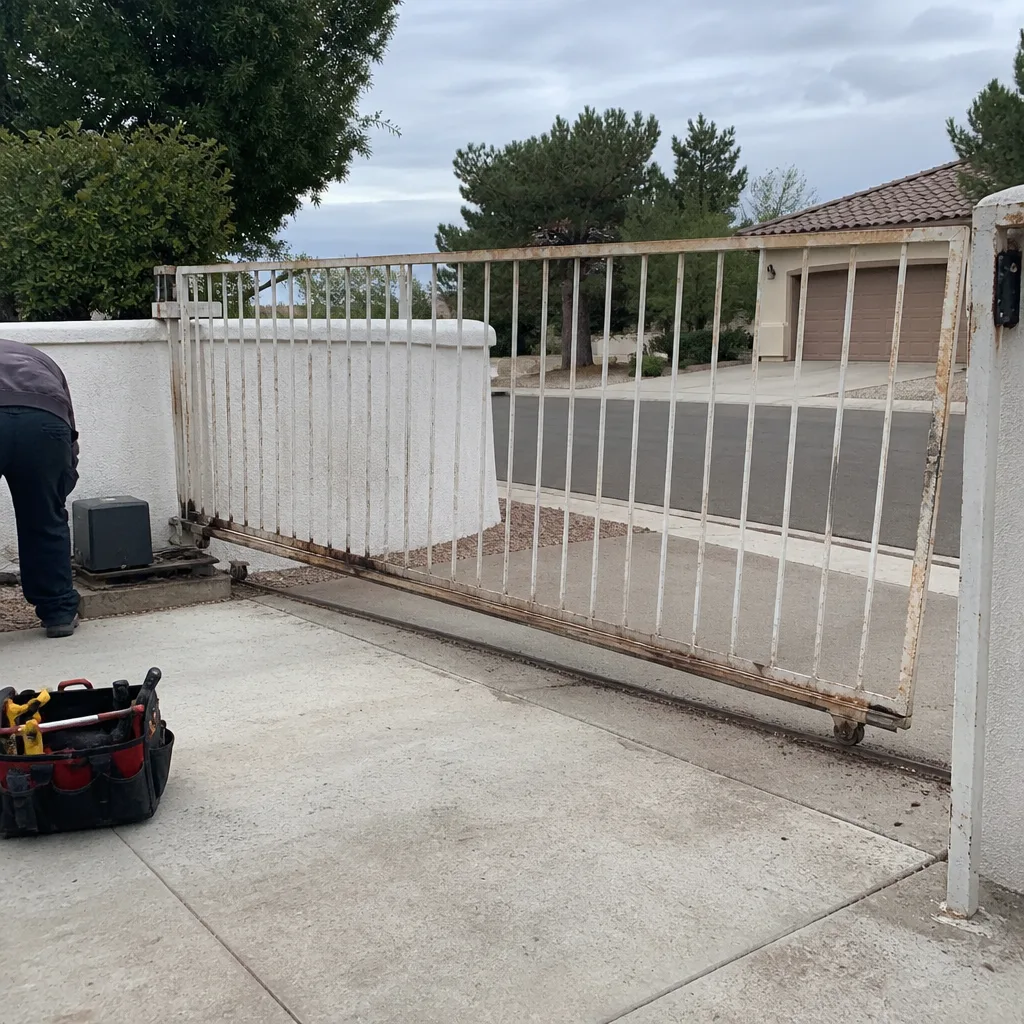 Before
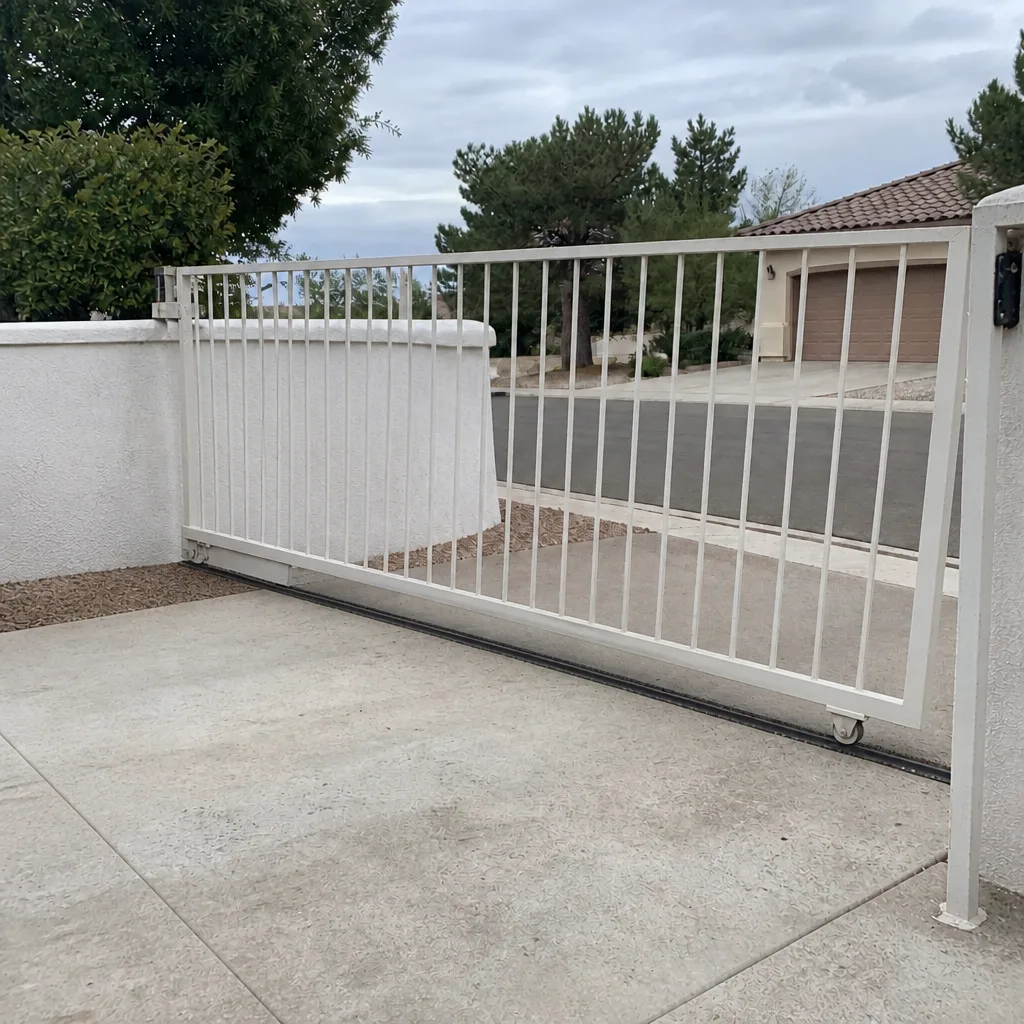 After
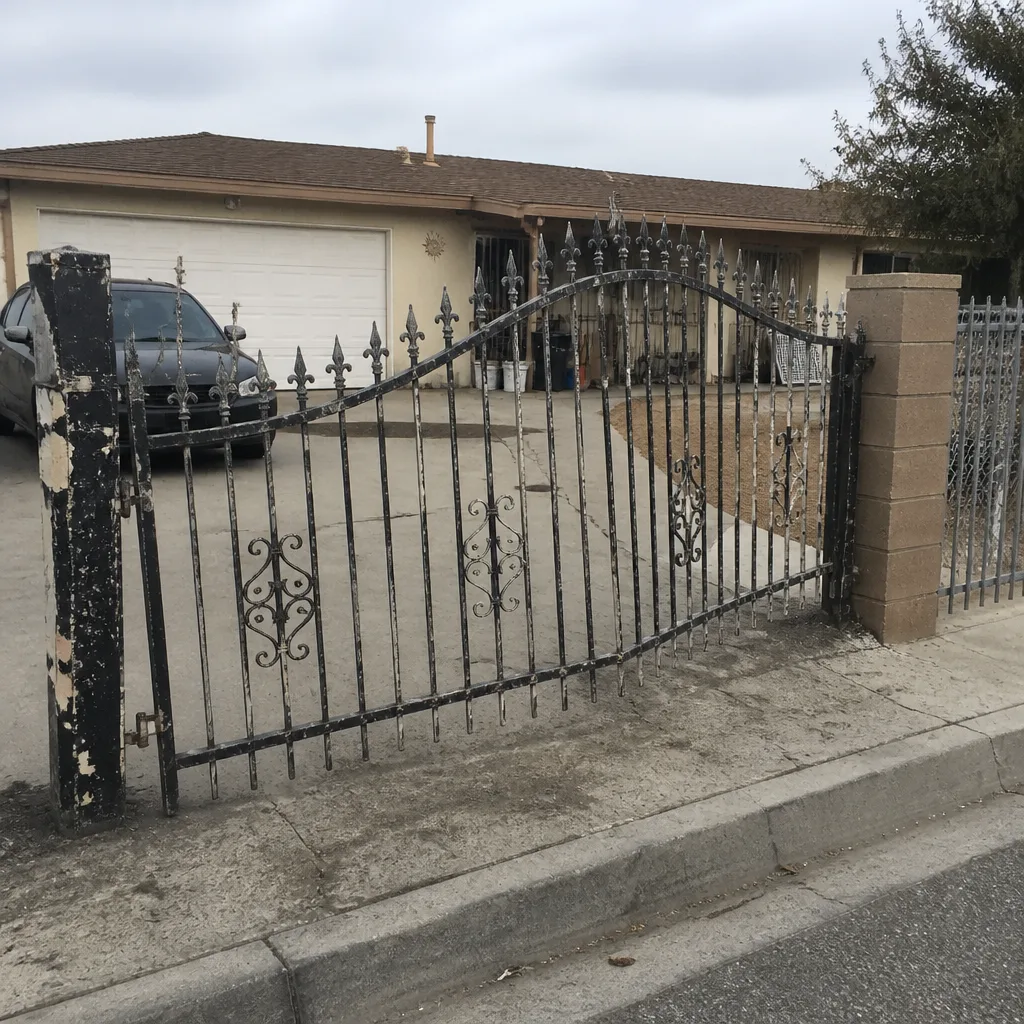 Before
 After
 Before
 After
When to Call a Professional
Call a professional when the gate operator shuts down, when the gate stops mid-cycle or reverses without reason, when a safety device tripped and won’t reset, when you’re replacing a failed operator or choosing a brand for a new install, or when the gate is moving but not opening or closing fully. Electrical gate systems carry live power and safety devices that can crush a person if misconfigured, so the wiring and the entrapment protection should be handled by a trained professional. Gate Repair Enterprise offers free estimates in Enterprise – call (844) 423-3067. We answer 24/7. Fast dispatch from 7am to 7pm, Sunday through Friday.
Frequently Asked Questions
The best brand is the one with local parts availability, a duty cycle rating that matches your actual traffic, a field-repairable control board, and documented thermal performance above 105°F. For most Enterprise properties that points toward brands with strong Las Vegas distribution support like LiftMaster and Linear, though the right choice depends on the gate type and traffic. Call (844) 423-3067 for an exact recommendation.
We’re certified to work on nine major gate and operator brands: LiftMaster, FAAC, BFT, Linear, Viking, Ghost Controls, DoorKing, Elite and Mighty Mule. Our technicians are fluent in the quirks of each system, so the diagnosis and repair are specific to your brand and model rather than a generic guess.
Brand affects repair cost mainly through parts availability and control board design. A brand with local parts supply and a modular, repairable board keeps a repair in the hundreds of dollars. A brand with order-only parts and a sealed board can push the same repair toward a full board replacement with a two-week wait. The operator on install day is only part of the cost.
No. Operators rated and tested for continuous duty above 105°F handle the sustained heat, while units with narrow thermal margins can thermal-limit during summer. Thermal limiting is a protective shutdown, but it still means the gate stops on the hottest days. Check the manufacturer’s thermal testing documentation before choosing a brand.
No. UL 325 applies to the operator as tested, not to your installed gate. Compliance also depends on the entrapment protection devices, safety edge and photo-eye placement, and the operator’s protection class matching your gate’s use. A trained professional should confirm the installed configuration is compliant.
It depends on the failure and the parts situation. If the key part is still available locally, a repair usually makes sense. If the part requires long ordering and the unit is already at the end of its supported life, replacement with a better-supported brand may cost less overall. For a same-day repair or replacement call (844) 423-3067.
The Bottom Line
Brand selection is an engineering decision, not a marketing one. The criteria that actually matter in Enterprise are local parts availability in the Las Vegas market, a duty cycle rating that fits the property’s real traffic, a control board that can be repaired rather than replaced whole, documented thermal performance above 105°F, and honest UL 325 documentation. Purchase price doesn’t tell you any of that. Evaluate a brand on those five things and you’ll avoid the pattern where a cheap operator becomes an expensive one. If a brand can’t be supported locally, its value ends the day a part is needed, and that’s the cost you’re really choosing.
Written by the team at Gate Repair Enterprise.
For a free estimate on a brand-matched repair or a new installation, call Gate Repair Enterprise at (844) 423-3067. We answer 24/7. Fast dispatch from 7am to 7pm, Sunday through Friday. From a stuck gate to a full installation, we’ll diagnose the system, quote the work in writing before anything starts, and match the repair or replacement to your specific brand.