
Last updated November 15, 2026
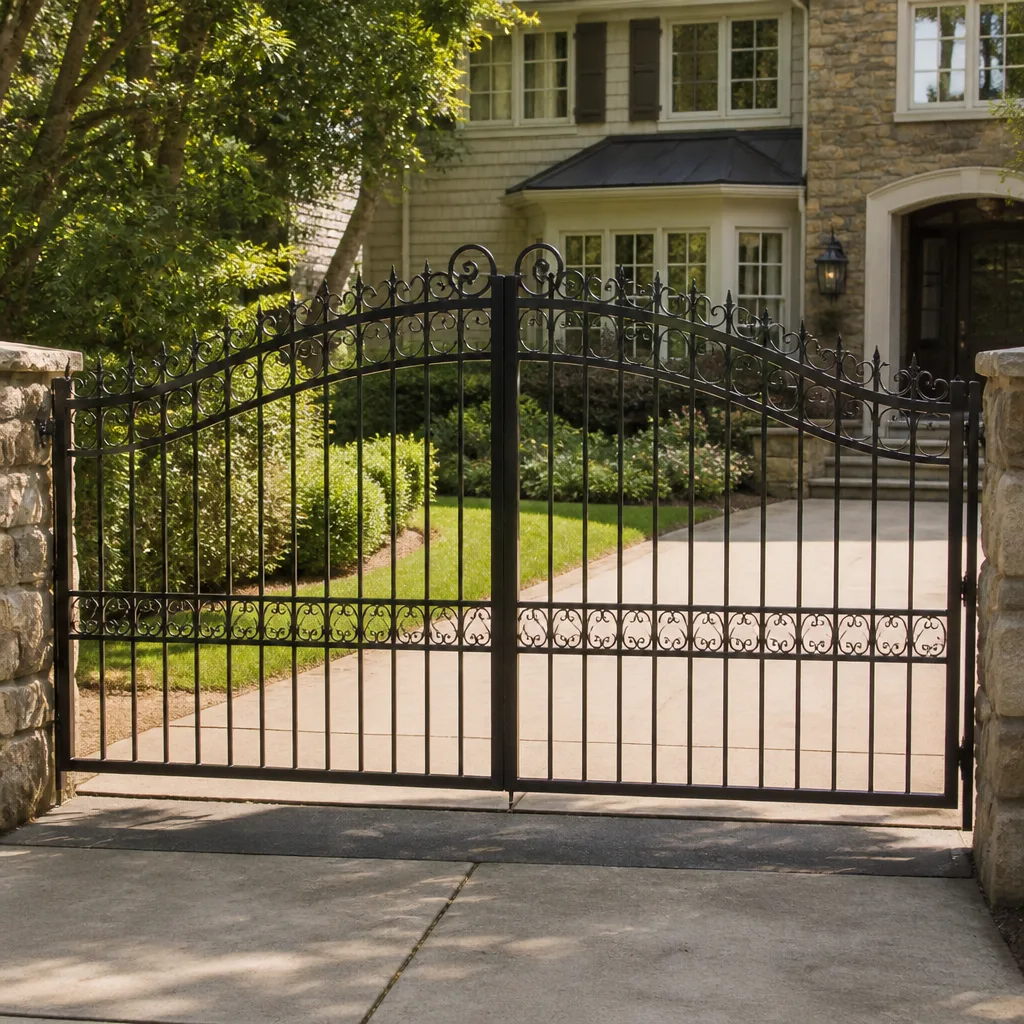 Wrought iron
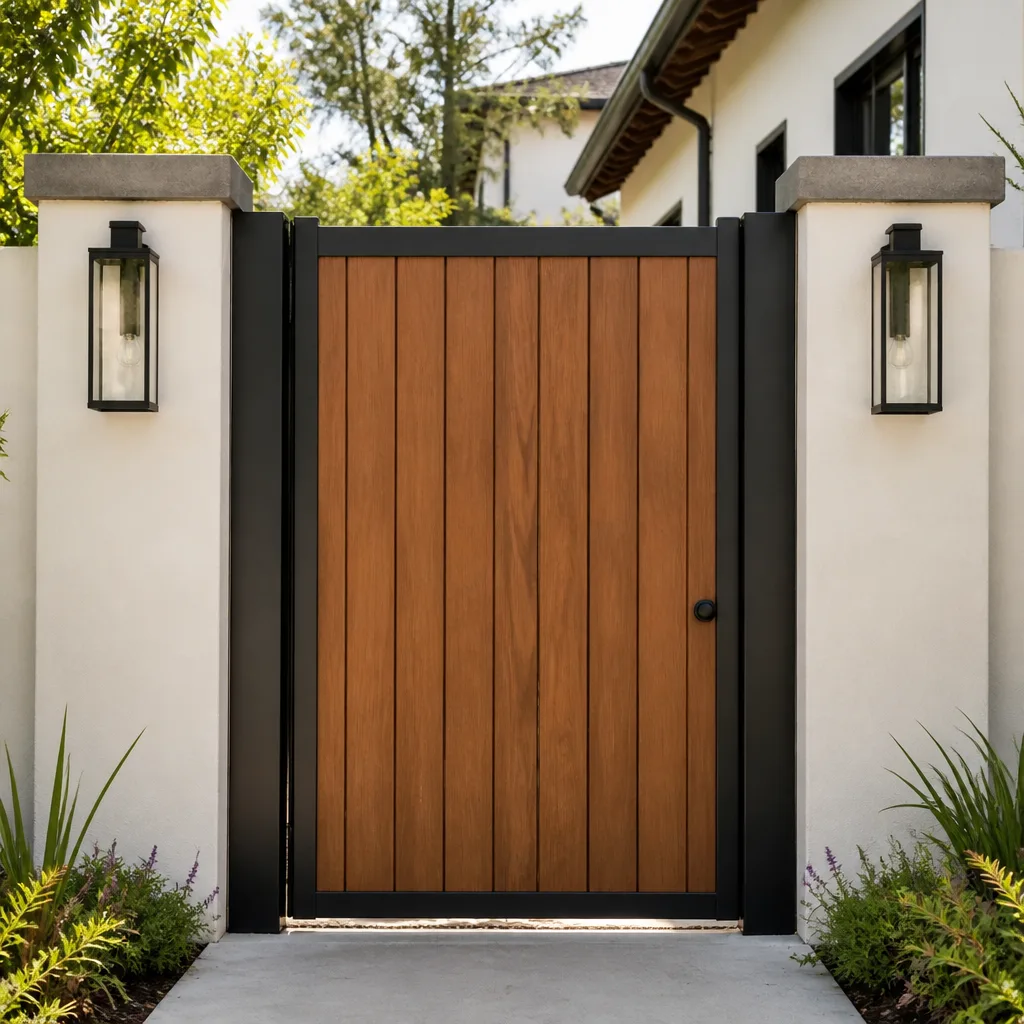 Wood & steel frame
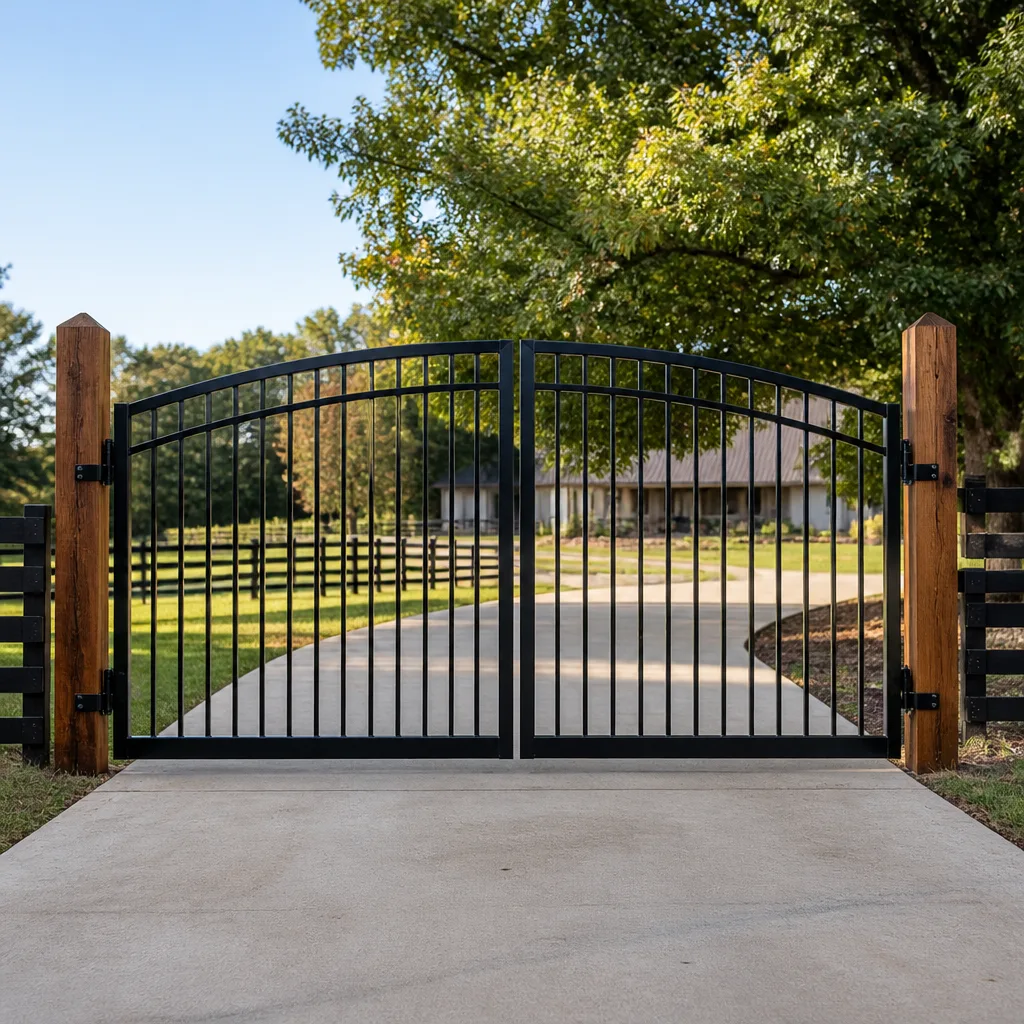 Farm & ranch
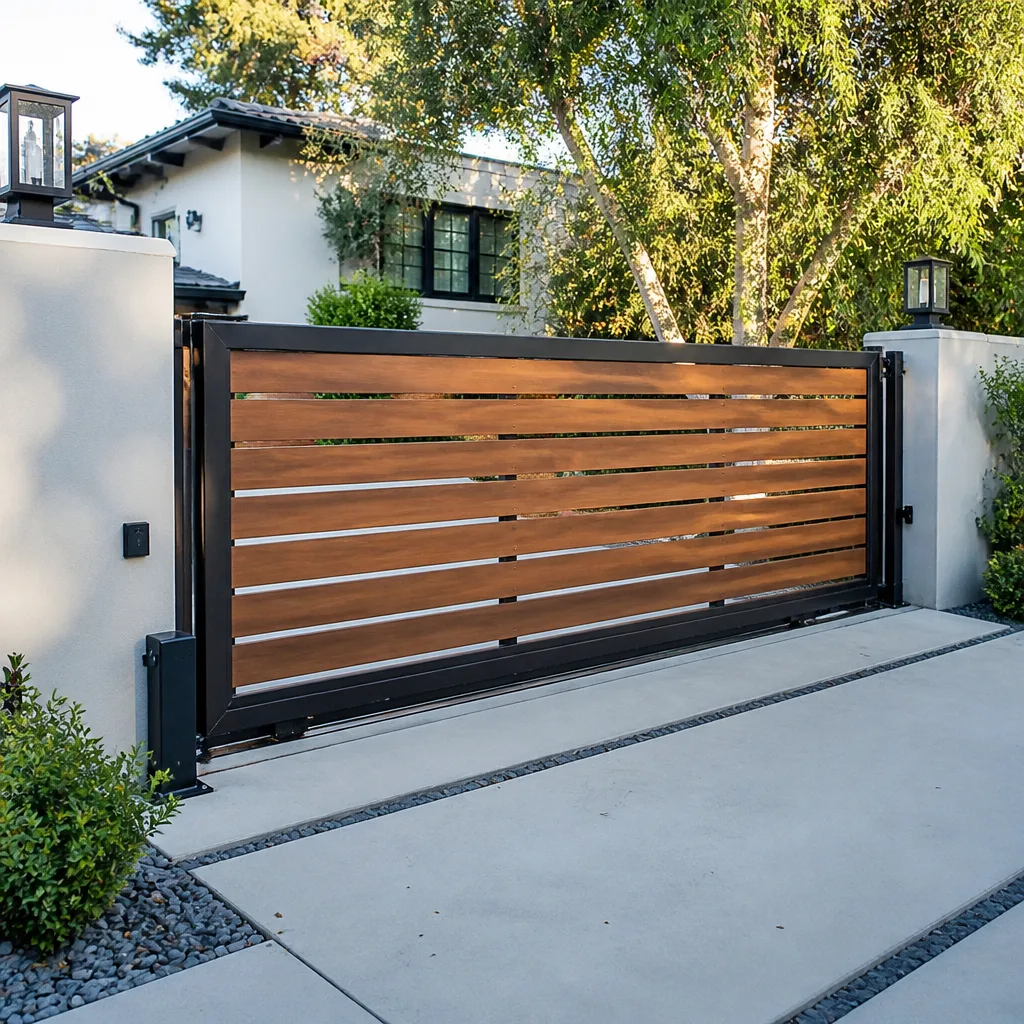 Sliding driveway gates
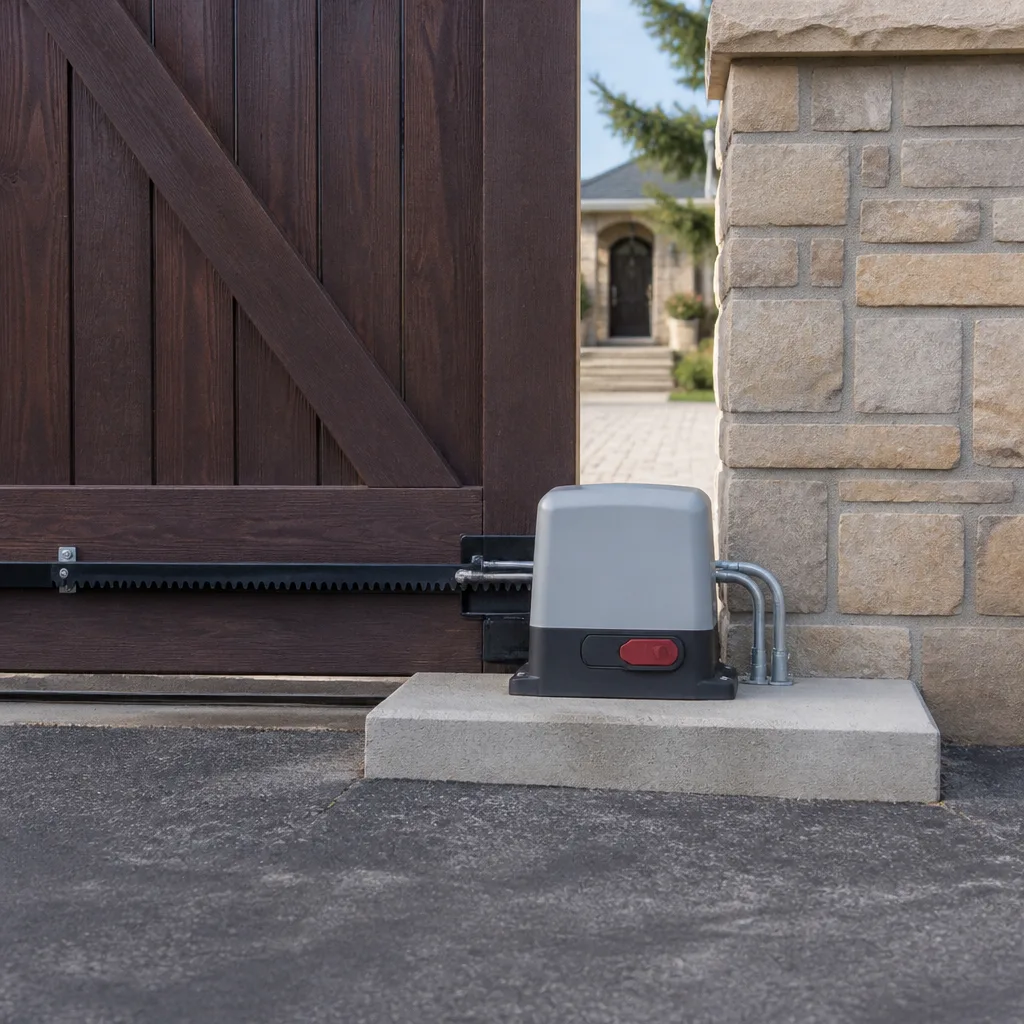 LiftMaster operators
Free on-site gate assessment - hinges, posts, and your LiftMaster or Nice gate operator checked before anything is quoted
The assessment is free and the quote is the invoice.
Get your free estimateGate Repair Emergency Preparedness Guide for Enterprise Homes
A gate that won’t open feels like a small annoyance right up until the moment it isn’t. Most Enterprise homeowners assume their operator will keep working, that the manual release will slide free when they finally need it, and that someone in the house knows the override code. All three assumptions fail on the same afternoon more often than anyone expects. Desert dust works its way into a release cable for years without complaint, then the power drops and the cable won’t budge. This guide covers what to check before that happens: manual release operation by brand, what battery backup really covers, the access protocol every household should document, and how to keep emergency responders moving through your gate. We work on gates in Enterprise and see the same gaps over and over, so we wrote this to close them.
Quick Answer
Gate emergency preparedness in Enterprise comes down to four things you should confirm before a failure: knowing where your operator’s manual release is and that it moves freely, testing your battery backup on a schedule, documenting an access protocol (override codes, release location, and a specialist’s number) that every household member carries, and confirming your gate fails safe for emergency responders. A gate is a piece of life-safety equipment disguised as a convenience. Treat the release the way you treat a fire extinguisher, check it before you need it, and a power outage becomes a fifteen-minute inconvenience instead of a blocked driveway with a car on the wrong side.
Styles & brands we work with
- Wrought iron
- Wood & steel frame
- Farm & ranch
- Sliding driveway gates
- LiftMaster operators
Table of Contents
- Why gate failures are life-safety events in Enterprise
- Manual release operation for the five most common operator brands
- Battery backup systems: what they cover and how to test them
- The emergency access protocol every household should document
- When the gate fails closed with a vehicle inside or outside
- Communicating gate access to emergency responders
- Pre-season readiness checks for desert conditions
- Common mistakes to avoid
Why Gate Failures Are Life-Safety Events in Enterprise
An automatic gate sits at the intersection of two systems people rely on: their vehicles and their property security. When it stops working, both fail at once. A gate stuck closed with a car parked behind it means nobody in that household can drive anywhere until it’s resolved. A gate stuck open means the property is exposed to anyone who happens to walk by. Neither is a mechanical nuisance. Both are access emergencies, and in Enterprise the conditions that cause them are specific to the area.
Enterprise sits in the Mojave high desert, and the climate does steady, quiet damage to gate hardware. Summer heat cooks the seals and insulation on operator housings. Fine desert dust finds every seam and settles into release cables, limit switches, and track channels. The temperature swing between a summer afternoon and a summer night works expansion and contraction into the same metal parts year after year. None of this announces itself. A gate operator that has run cleanly for a long stretch can reach the morning when a control board fails, the motor stalls, or a vehicle clips the arm, and the homeowner discovers in that moment that they never learned how the gate comes open by hand.
The stakes go up with the property. Automatic gates on larger Enterprise lots often sit far from the house, where the operator isn’t visible from a window and a stuck gate isn’t obvious until someone tries to leave. Homes on shared drives face the same problem multiplied by every household on the easement. And any residence with someone who relies on a vehicle for medical access or evacuation has a gate problem that is genuinely time-sensitive.
Preparedness is cheaper than recovery. A homeowner who knows their release, tests their battery, and keeps a written protocol has already solved the emergency before it starts. That is the whole point of this guide. You can also read our larger gate repair overview for the mechanical side of how failures get fixed once they happen.
Manual Release Operation for the Five Most Common Operator Brands
Every automatic gate operator has a manual release. It’s the mechanical bypass that lets you open the gate by hand when power is out, the motor has failed, or the control board won’t respond. It is the single most important thing on this page, and it’s the thing most homeowners have never touched. The release is almost always a keyed handle, a lever, a chain, or a pull cable, located on the operator housing. The exact type and location vary by brand, which is why a generic YouTube clip will send you reaching for the wrong part.
Below is how the release generally works on the brands we service most in the Enterprise market. These are orientation notes, not a replacement for your operator’s manual. Pull your manual, find the brand and model, and read the release section once now while nothing is wrong.
- LiftMaster: Residential slide and swing operators typically use a keyed release handle on the operator, or a floor-level release lever on slide models. Insert the manual release key, turn, and pull or lift the lever to disengage the drive. The key is often lost or never given to the buyer at closing, so confirm you have it.
- FAAC: Swing operators commonly use a manual release key and lever on the housing; slide operators vary between a lever release and a chain hoist. Turn the release key and move the lever through its full travel to free the gate.
- Mighty Mule: Often has a release lever or pin on the operator arm. The gate can usually be pushed by hand once the lever is moved, but the mechanism can seize after long exposure to desert dust, which is where testing pays off.
- Elite: Slide gate operators typically use a keyed release and a lever on the operator box, disengaging the gear so the gate rolls by hand. Check the manufacturer’s documentation for your specific model to locate the release and confirm the direction.
- DoorKing (commercial and larger residential): Releases vary widely by model, and larger commercial operators may use a chain hoist rather than a simple lever. If your operator is a DoorKing, get the exact release procedure from the manual before you need it.
What to do when the release mechanism is seized
Desert exposure is the enemy here. A release cable that hasn’t moved in years can corrode inside its sheath until the handle pulls and nothing happens. A lever can bind on dry, dust-packed metal. If you pull the release and the gate doesn’t free up, don’t force it with tools or pry at it. Forcing a seized mechanism can bend the drive or snap the cable, and then the gate is stuck AND damaged. Work the lever or cable gently by hand first to see if it will free; if it won’t, that’s the point to call us. A seized release on a slide operator is one of the most common things we’re asked to diagnose, and it’s usually fixable before it becomes an emergency.
If your gate is failing for another reason and the release alone won’t solve it, that’s a job for electric gate repair. Electrical and operator faults belong with a specialist who can test the control board and motor, not with a homeowner working blind. Call (844) 423-3067 to talk through what the gate is doing; We answer 24/7 and can send a technician out with fast dispatch from 7am to 7pm.
Battery Backup Systems: What They Cover and How to Test Them
Battery backup on a gate operator is a real benefit and a widely misunderstood one. The battery keeps the operator itself running during a power outage so the gate can still open and close on command. That is usually the full extent of what it covers. Access control, keypads, intercoms, phone entry systems, and the internet connection that lets a smart system take a command are commonly on separate circuits, and a backup battery on the operator won’t keep those alive. So a homeowner who assumes “the gate has a battery, so it will still work” can discover during an outage that the gate has power but the keypad that opens it does not.
Plan for that gap. Know which parts of your system are covered and which aren’t, and know how to get through the gate by hand when the electronics can’t help you. Our technicians have up to 8 years of experience with these systems, and the single most useful question we ask a homeowner is simple: if the keypad goes dark, can you still get through the gate? If the answer isn’t a confident yes, the backup plan has a hole in it.
How to test a gate battery backup before an emergency
You can test most residential backup batteries without touching high-voltage wiring. Do this at a safe moment when nobody needs the driveway and vehicles are clear of the gate path.
- Confirm nobody is in the gate’s travel path and vehicles are parked clear of both sides.
- Locate the battery or backup module inside the operator housing. Do not open a live operator box or probe wiring. If the battery isn’t accessible from the outside enclosure, skip to scheduling a check.
- Use the operator’s own test function or a power interruption at the breaker if you’re comfortable doing so, then command the gate to open.
- Watch how the gate moves. A healthy backup opens the gate normally. A weak battery makes the gate sluggish, stalls it partway, or fails to move it.
- Restore power and record the result in your household protocol so you know the date of the last test.
Batteries age out. A backup that passed last season can fail this one, especially in desert heat that shortens battery life. If the gate won’t run on backup, the battery needs replacement, and that’s a straightforward service call. We work on your brand, so if your operator is a LiftMaster, a FAAC, a Mighty Mule, or an Elite, we’ll know the battery type and the correct test procedure rather than guessing. Call for a free estimate and we’ll get it sorted.
The Emergency Access Protocol Every Household Should Document
This is the part most homes skip, and it’s the part that matters when something goes wrong and the primary operator isn’t home. An access protocol is one page, written down, that tells anyone in the household how to get a vehicle in or out of the property when the gate fails. It lives in the glovebox, on the fridge, and in the phone of every adult in the home. It takes twenty minutes to put together and it turns a panic into a checklist.
What your protocol should include
- The manual release location: exactly where it is on your operator, what tool opens it (the key or handle), and where that tool is kept.
- Override codes: the entry code, any secondary code, and where the code is stored safely rather than only in one person’s memory. If you use a keypad, the code isn’t a backup, it’s the primary. The backup is the manual release.
- The operator brand and model: written down. This is what we’ll ask for when you call, and knowing it speeds everything up.
- Emergency contact: a gate specialist’s number taped to the panel. For Enterprise homes, that’s (844) 423-3067. We answer 24/7.
- Who to notify: if the property is shared, the names and numbers of the other households or the property manager.
- The gate’s failsafe behavior: whether it fails open or closed, and what to do about it.
Share it with the people who aren’t the primary operator. A teenager driving the second car should know where the release is. A spouse who never touches the panel should know the code and where the tool lives. A house-sitter or a visiting family member should have the same page. In our experience, gate emergencies get worse mainly because the one person who knew how the gate worked was somewhere else. Hand the protocol to everyone who could be in the house when the gate stops.
When the Gate Fails Closed With a Vehicle Inside or Outside
A gate failing in the closed position is the scenario homeowners dread, because it traps a vehicle. The instinct is to force something, and forcing is exactly what turns a repair into a replacement. Work the problem in order and don’t skip a step.
- Stop and assess. Is anyone inside the property who needs to leave urgently? Is there an emergency? If so, call 911 and tell the dispatcher your gate is down. Emergency responders have their own gate access procedures (more below).
- Don’t force the gate. Pushing a stuck gate, prying at the operator, or driving through a gap can bend panels, snap the release cable, or damage the drive. Any of those raises the cost of the eventual repair.
- Try the manual release first. If the gate uses an operator, use the release as documented in your protocol. If it moves by hand, roll or swing it open and clear the driveway. If it’s stuck, note which part wouldn’t move.
- If the vehicle is inside and the gate won’t open by hand, check power. Is the breaker tripped? Is there a battery backup that’s dead? Note what you find. If the gate is electrically dead and the release is seized, this is a call to a specialist.
- Call for help. Call (844) 423-3067 and describe exactly what the gate does, or doesn’t do, when you try it. We can often tell from a description whether it’s the operator, the release, or a control board. Fast dispatch from 7am to 7pm, and we answer 24/7.
- If a vehicle has damaged the gate, don’t try to open it further. A gate that’s been struck can have bent arms or a twisted panel that will jam the track if you force it. Leave it and let a technician assess it.
The order matters. Forcing a jammed gate is the single most expensive mistake in this scenario. The rule is simple: if the release won’t free the gate, stop and call, don’t force.
Communicating Gate Access to Emergency Responders
An automatic gate that blocks emergency access is a fire and safety concern, and this is where preparedness goes beyond the household. In an emergency, the seconds a responder spends fighting a gate are the ones that matter. Whatever your gate setup, the goal is that a fire engine or an ambulance can get through without help from a homeowner.
If you live on a shared drive or in an HOA with a gated entrance, code and fire department requirements for how a gate must behave when a response vehicle approaches are worth checking with the city and your fire authority. Many communities use a key access box at the gate, often called a Knox Box, that holds a key or override the fire department can access. Requirements vary. Some communities require an automatic gate release that a responder’s signal or siren can trigger. Some rely on a siren sensor or a dedicated vehicle-access device. Don’t assume your community’s setup meets the local requirement; ask your HOA and confirm with the fire authority what’s expected.
A few things to sort out before an emergency:
- Confirm the gate fails in a direction that doesn’t block responders. A gate that sticks open is a security inconvenience; a gate that sticks closed is a fire access problem.
- Document your access method for the fire department. If your community uses an override, a key box, a siren sensor, or an automatic release on approach, know how it works and confirm it’s in service.
- Give the dispatcher your gate information if you call 911. Tell them your gate is automatic and closed, and give any code or override the fire department would need.
- Keep the gate working. Regular diagnostics on the operator and its failsafe features are part of keeping emergency access reliable, which is one reason we take electric gate problems seriously even when the gate seems to be working.
If your gate hasn’t been checked against these requirements, that’s a conversation worth having. For a full new installation or a replacement, the community’s access requirements should shape the design from the start, and we handle installation alongside repair so it’s all one job. Our Enterprise page covers how we approach gate work in the city, and you can see the full picture of who we are at Gate Repair Enterprise.
Pre-Season Readiness Checks for Desert Conditions
Enterprise’s climate is hard on gate hardware in ways that show up slowly. The dust is constant. The summer heat is punishing on seals, insulation, and batteries. The cooler months bring wide temperature swings. Preparedness here means checking the parts the climate attacks, on a schedule, before the gate tells you it’s in trouble.
Run these checks at the change of seasons, before the heat peaks and again as it eases:
- Work the manual release by hand. The single most important check. If it doesn’t move freely, it will fail when you need it.
- Clear the track and hinges of dust and debris. Desert dust packs into slide tracks and binds hinges. A clean track takes load off the operator.
- Test the battery backup using the method above, and note the date.
- Inspect the operator housing for cracks or worn seals that let dust and heat in.
- Test all access methods the keypad, the remote, and the code, so you know which fail if the electronics do.
- Confirm your written protocol is current and still where everyone expects it.
When a check turns something up, the release won’t free up, the battery won’t hold, the operator runs rough, that’s the moment to schedule a visit rather than the moment the gate fails completely. Call (844) 423-3067 for a free estimate and we’ll look at the specific system you have.
Common Mistakes to Avoid
- Assuming the release will work without ever testing it. A release cable that sits unused through years of desert dust can seize, and you find out at the worst possible time. Test it by hand every season.
- Forcing a jammed gate or release with tools. Prying a seized mechanism can bend the drive or snap the cable, turning a check into a repair. If it won’t free by hand, stop and call.
- Trusting battery backup to cover access control. Backup usually runs the operator, not the keypad, intercom, or phone system. Plan for a dark keypad.
- Keeping the override code in one person’s head. The person who knows how the gate works is often the one who’s out when it fails. Write it down and share it.
- Assuming a gated HOA entrance meets fire access requirements. Requirements for emergency release and responder access vary, and it’s worth confirming with your HOA and the fire authority rather than assuming.
- Calling a generalist for an electric gate problem. Gate operators, control boards, and access systems need someone who works on gates specifically, and on your specific brand. A general home-services crew will often tell you they don’t work on that brand.
- Skipping seasonal checks in Enterprise’s dust and heat. The climate wears out exactly the parts that fail silently, release cables, batteries, and seals. A check before the heat peak catches what a failure after it won’t.
See the difference
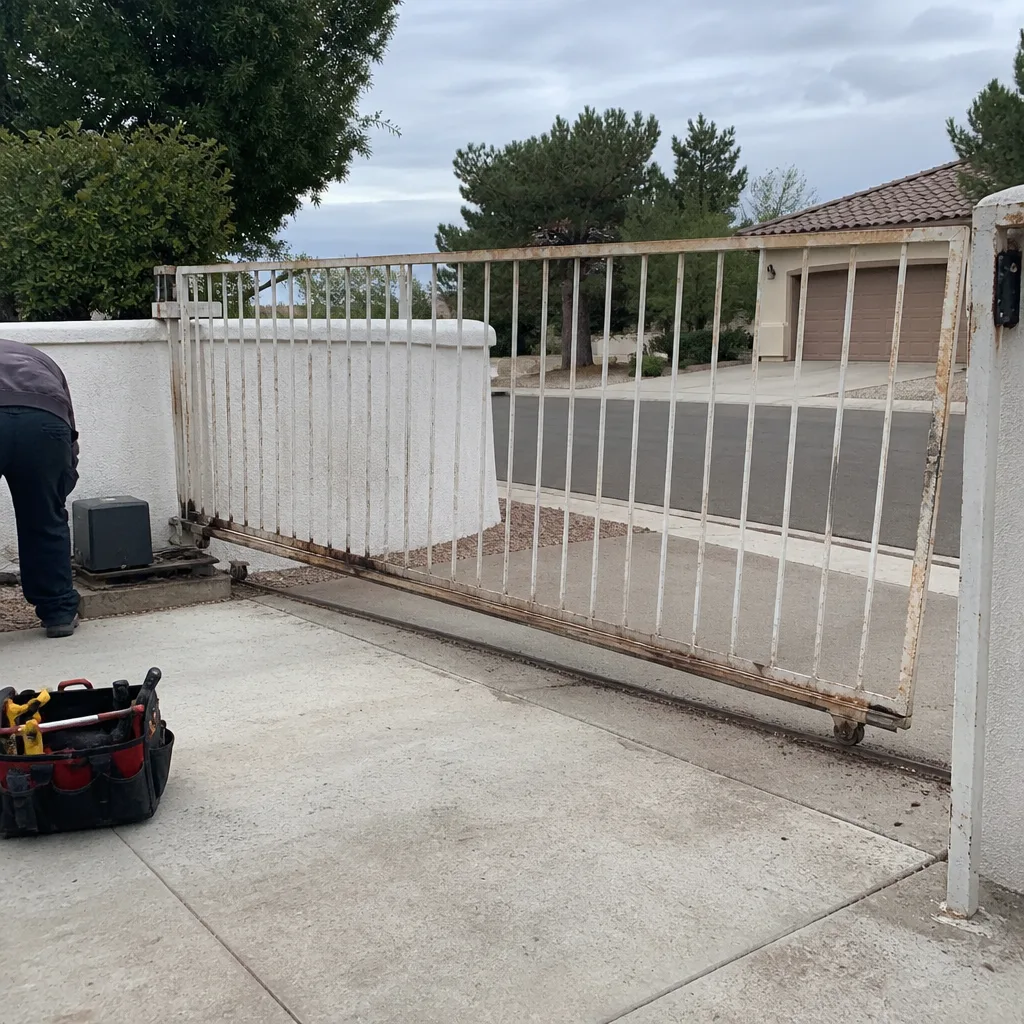 Before
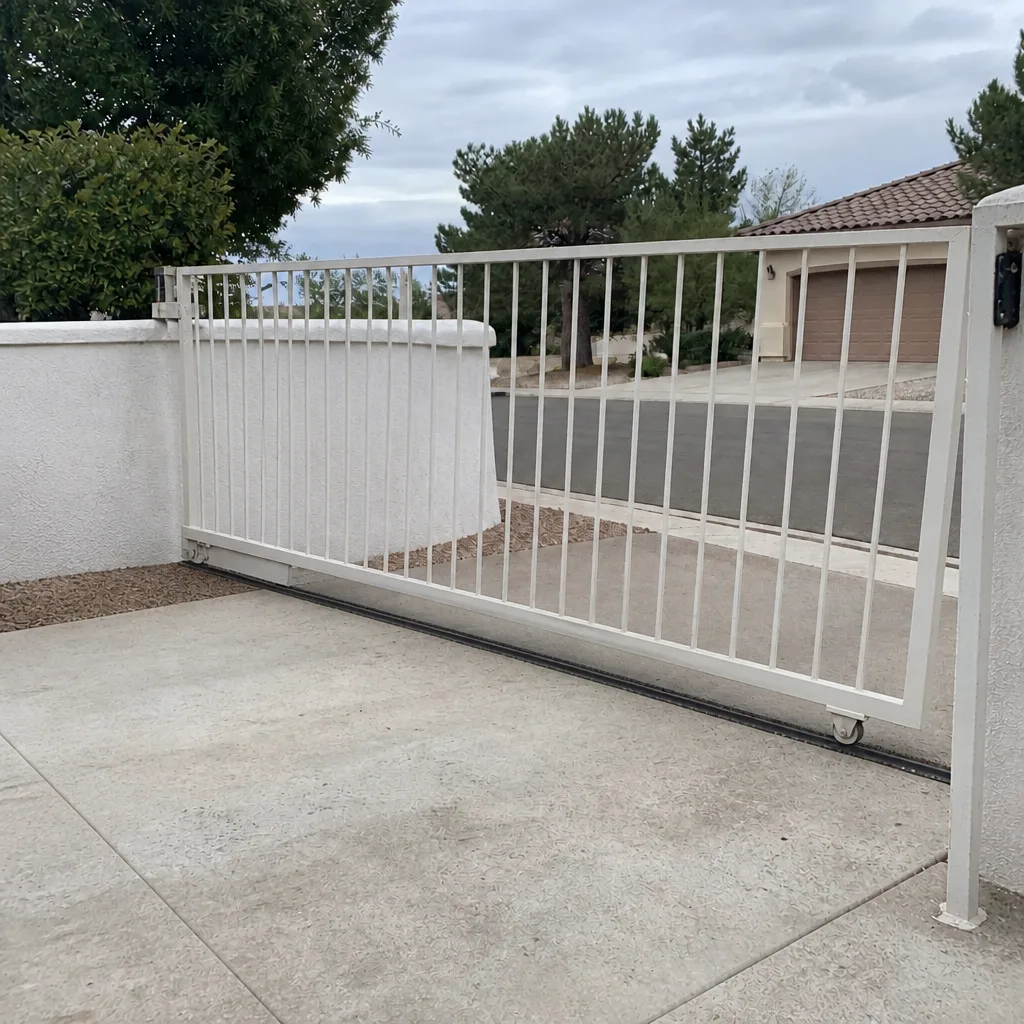 After
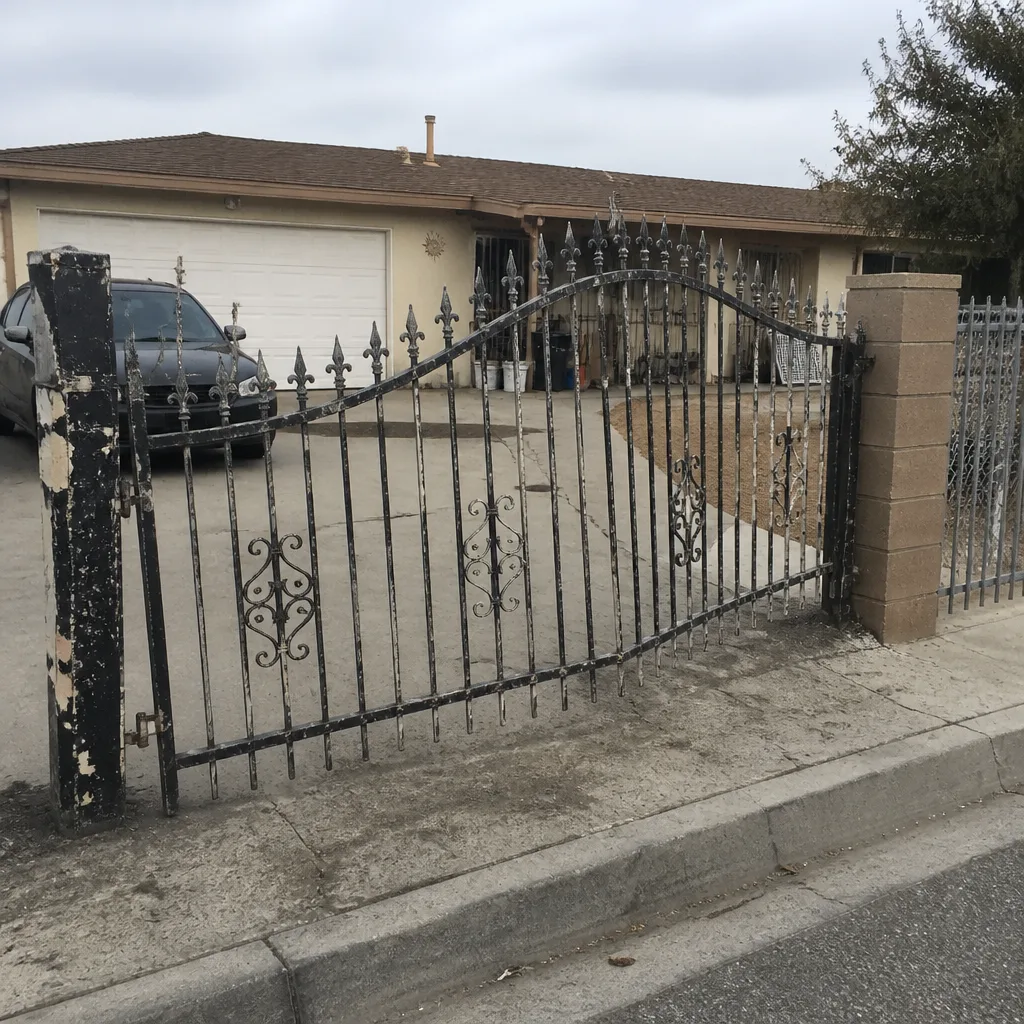 Before
 After
 Before
 After
When to Call a Professional
Call a specialist when the manual release won’t free the gate by hand, when the battery backup fails its test, when the operator runs rough, stalls, or won’t respond to commands, or when a gate has been damaged and forcing it open will make it worse. Call if the gate fails closed and traps a vehicle. Call if your access control or keypad has gone dark and the gate won’t open. And call if you’re not sure whether your gate meets the emergency access requirements for your community, because that’s worth knowing before an emergency, not after. Gate Repair Enterprise offers free estimates in Enterprise. Call (844) 423-3067. We answer 24/7. Fast dispatch from 7am to 7pm, Sunday through Friday.
Frequently Asked Questions
The manual release is on the operator housing and is usually a keyed handle, lever, chain, or pull cable; the exact type and location depends on your brand and model. Pull your operator manual and read the release section while the gate is working, so you know the procedure before you need it. If the release won’t move by hand, don’t force it; call (844) 423-3067 and we’ll diagnose it.
Usually not. Battery backup typically keeps the operator itself running so the gate can open and close, but access control like keypads, intercoms, and phone entry systems are commonly on separate circuits that the operator battery doesn’t cover. Test your backup and confirm you can still get through the gate by hand when the electronics go dark.
Stop and assess first. If there’s an emergency, call 911 and tell them your gate is automatic and closed. Otherwise, don’t force the gate. Try the manual release, check the breaker, and note what happens. If the gate won’t free up, call (844) 423-3067 and describe the failure; we can often identify whether it’s the operator, the release, or a control board.
A Knox Box is a key access box at a gate that holds a key or override the fire department can reach during an emergency. Requirements for HOA and shared gate access vary by community and jurisdiction, so check with your HOA and your local fire authority to confirm what your gate needs.
Test both at least at the change of seasons, before Enterprise’s heat peaks and again as it eases. Desert dust seizes release cables and heat shortens battery life, so those parts need checking before they fail rather than after. If a check turns up a problem, call (844) 423-3067 for a free estimate.
We service LiftMaster, FAAC, BFT, Linear, Viking, Ghost Controls, DoorKing, Elite, and Mighty Mule. We work on your brand rather than passing it off to a generalist. If you have one of those brands and your gate is failing, call (844) 423-3067 and we’ll help.
The Bottom Line
A gate emergency is usually a preparedness failure before it’s a mechanical one. In Enterprise, the desert does the slow damage that turns a release cable into a seized handle, and the moment the power drops is the moment you find out. Prepare the four things this guide covered: know and test your manual release, understand what your battery backup actually covers, document an access protocol every household member carries, and confirm your gate fails safe for emergency responders. Do that once, and a future outage costs you a walk to the operator instead of a trapped vehicle and a repair bill. When you need a specialist for the gate itself, call (844) 423-3067. We answer 24/7. Fast dispatch from 7am to 7pm, Sunday through Friday. Estimates are free, and the price is set by a written estimate before any work starts.
Written by the team at Gate Repair Enterprise.