
Last updated November 15, 2026
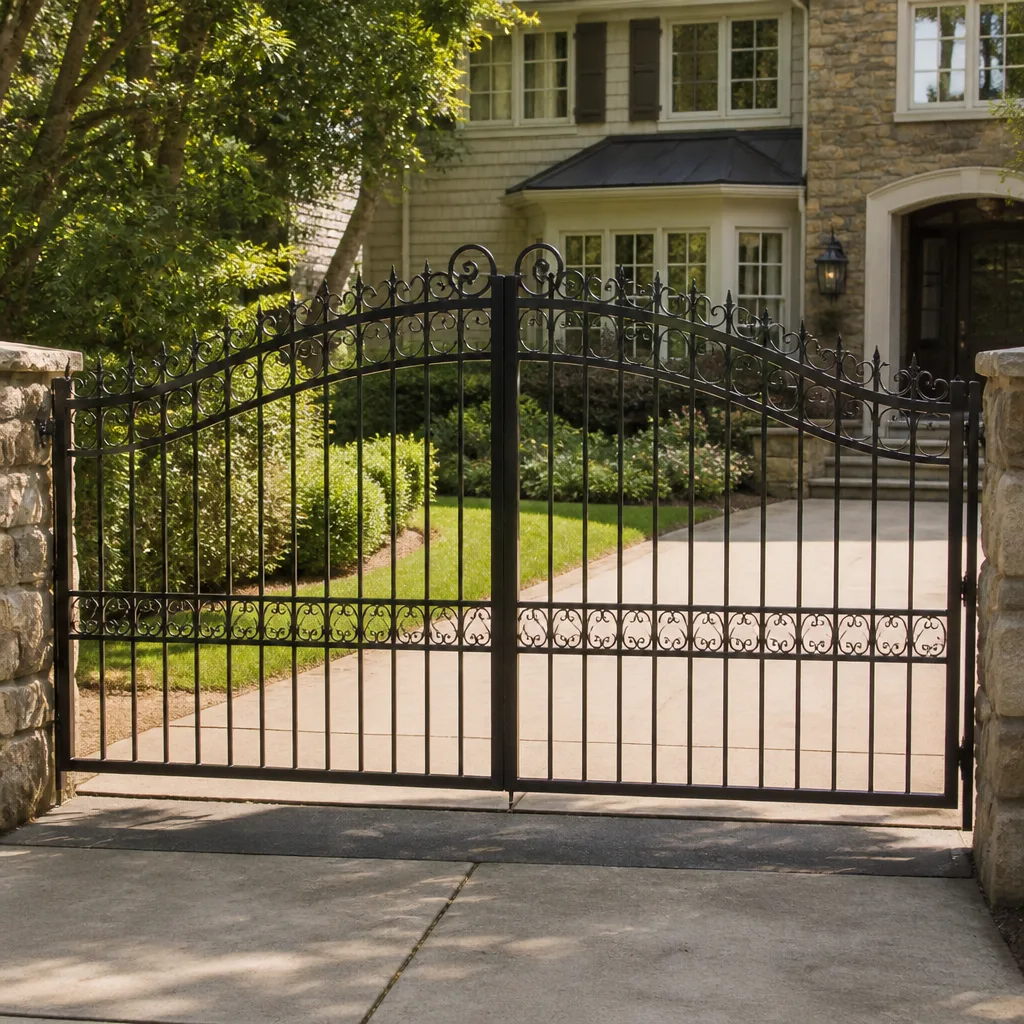 Wrought iron
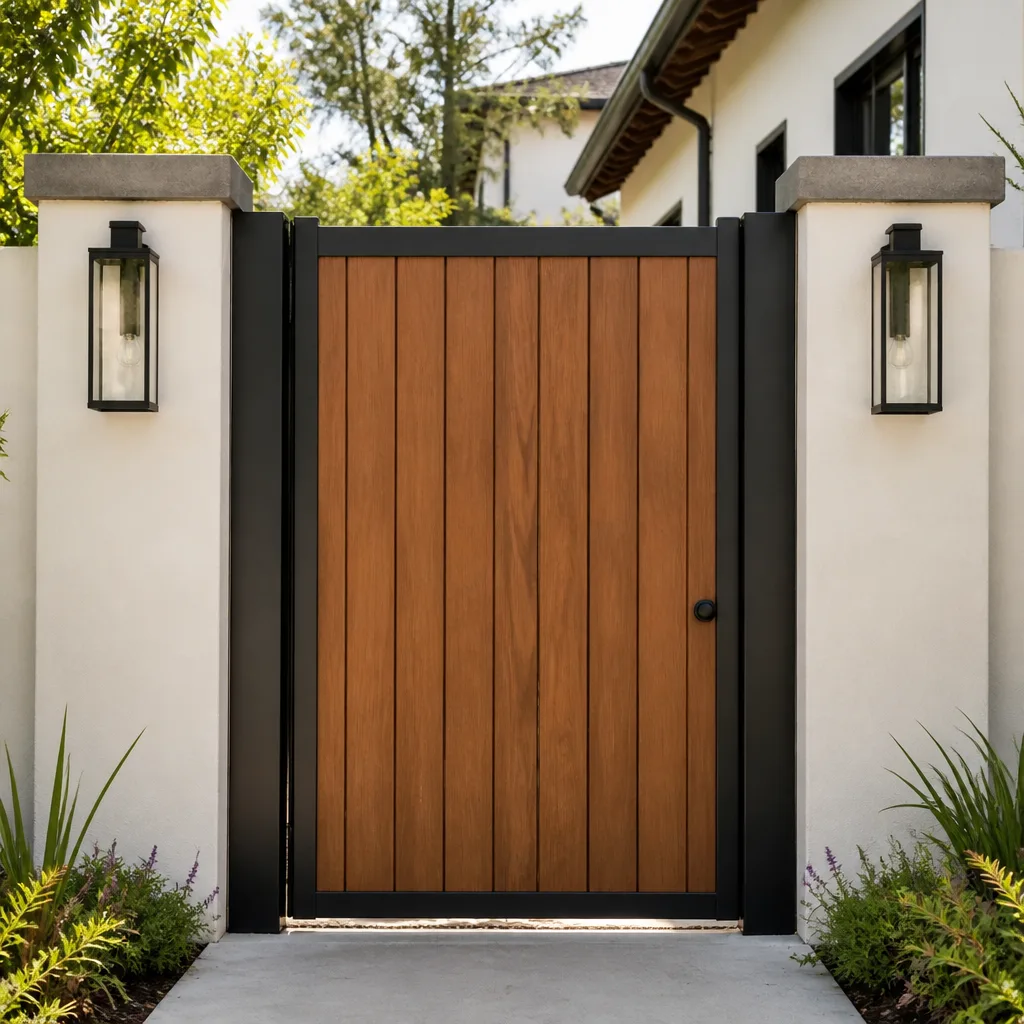 Wood & steel frame
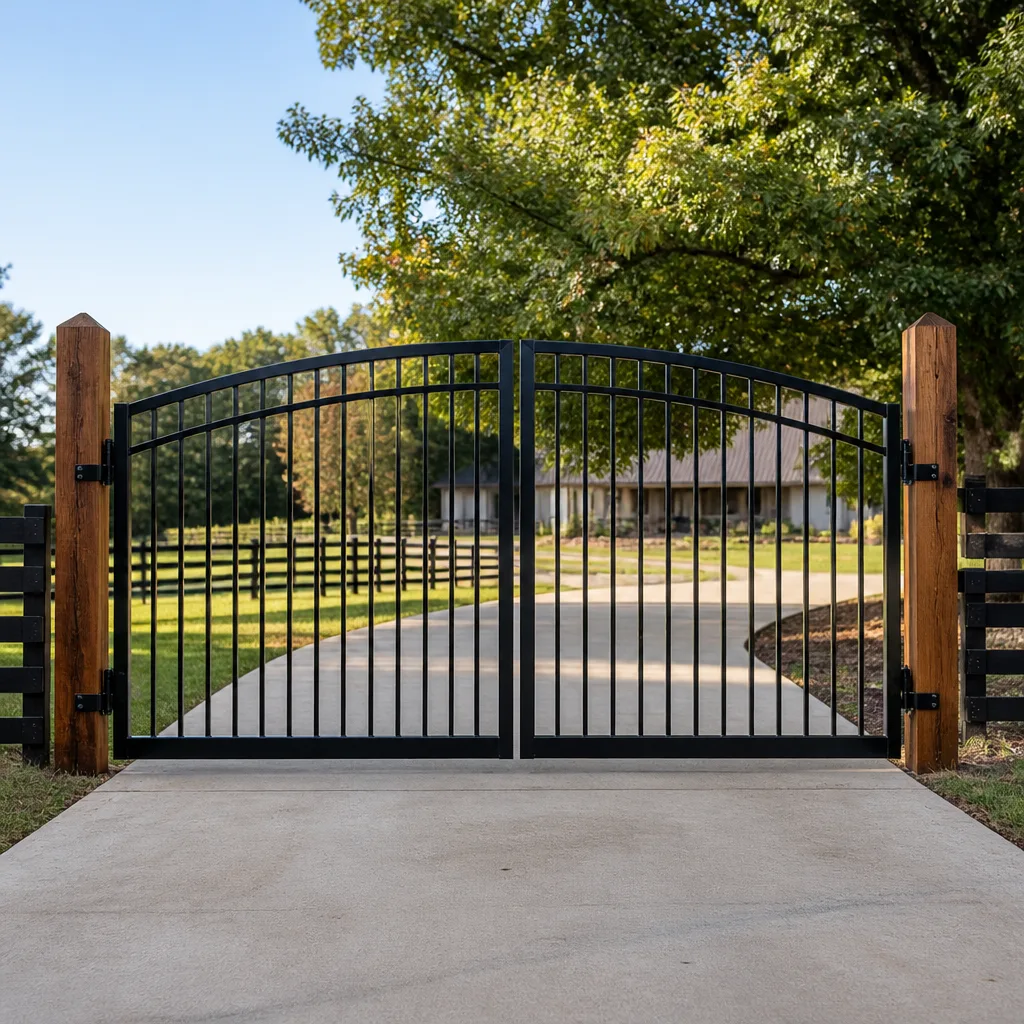 Farm & ranch
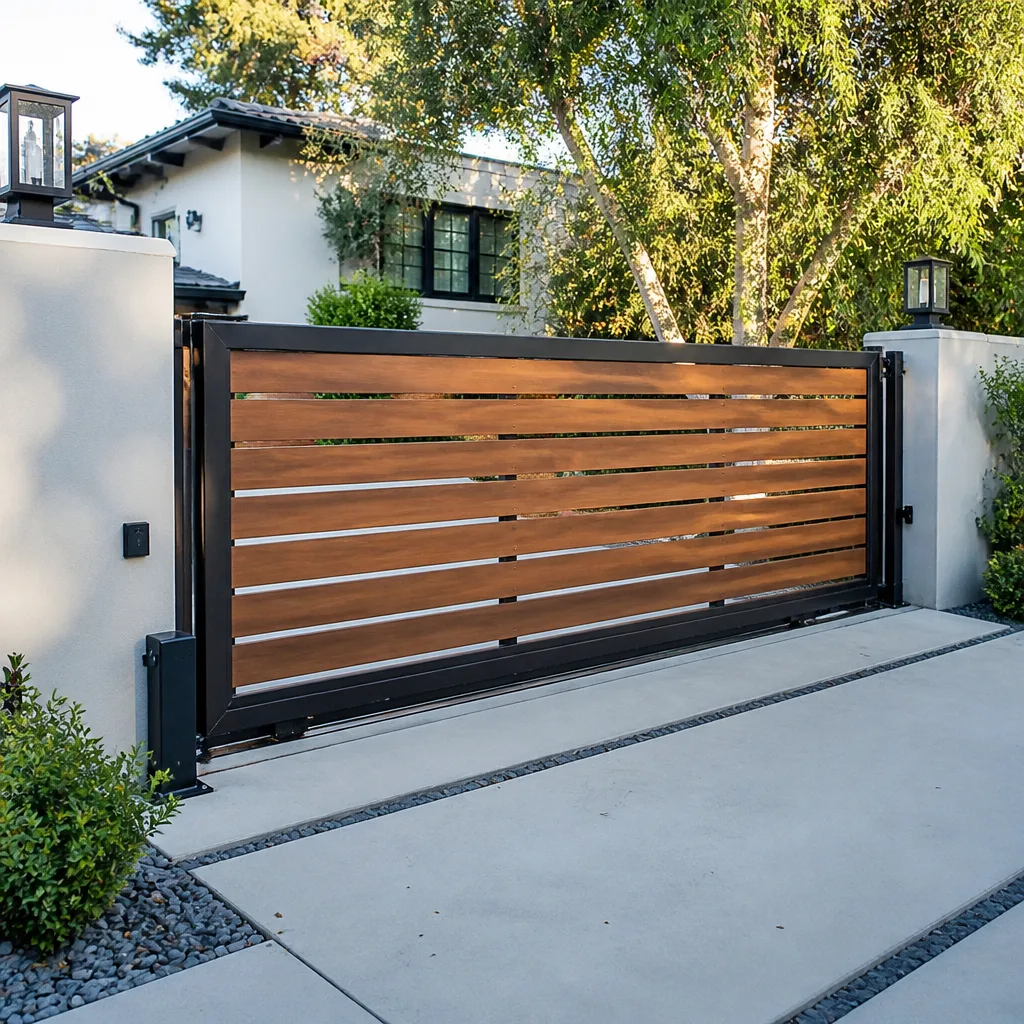 Sliding driveway gates
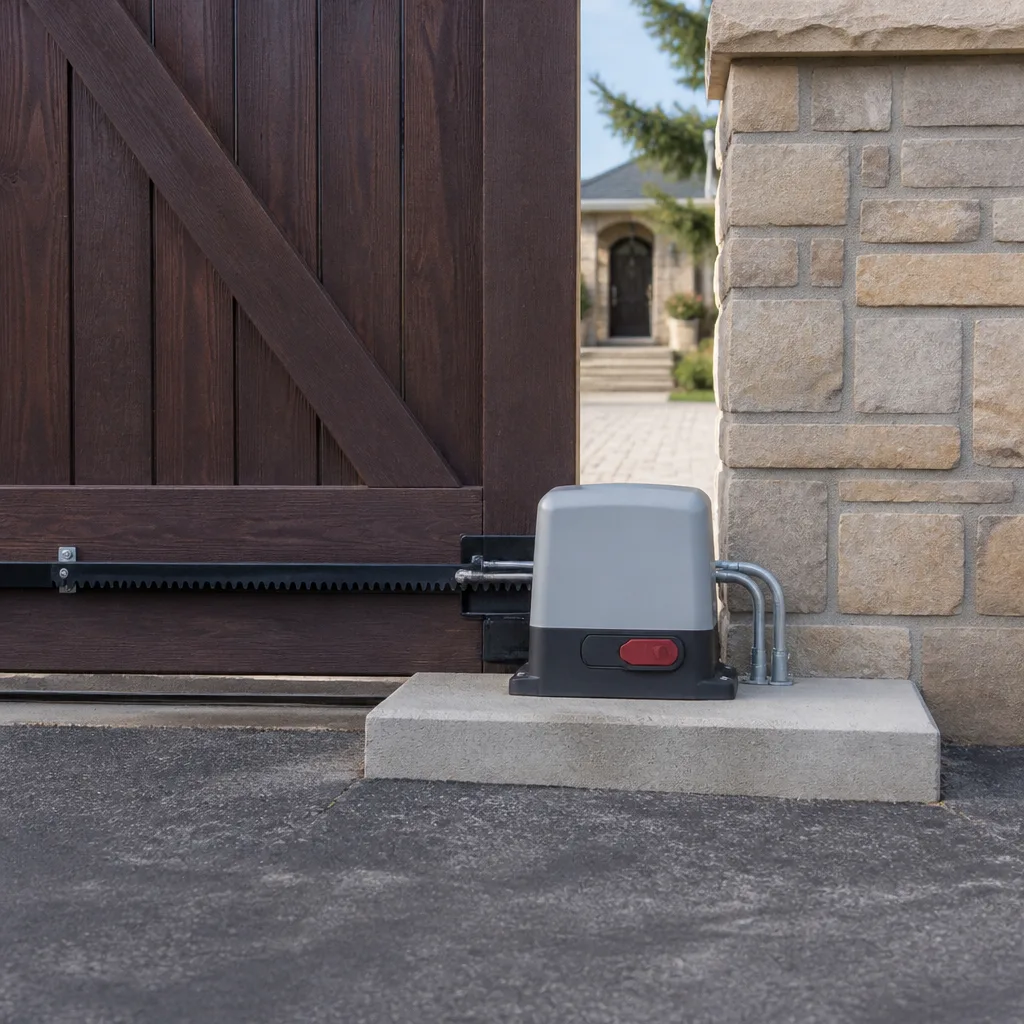 LiftMaster operators
Free on-site gate assessment - hinges, posts, and your LiftMaster or Nice gate operator checked before anything is quoted
The assessment is free and the quote is the invoice.
Get your free estimateGate Repair Warning Signs: An Enterprise Homeowner’s Reference Guide
A gate that hesitates for half a second before it moves is not working fine. That pause is a motor drawing excess current or a mechanism binding against itself, and under Enterprise’s summer heat load it usually turns into a full failure within 30 to 90 days. Most gate breakdowns are not sudden at all. They announce themselves first through sounds, timing changes, hardware wear and access control glitches that show up days or weeks before the gate finally stops. The problem is that nobody ever told you what normal gate behavior looks like, so the early signals pass unnoticed. This guide names those signals, matches each one to the component that is failing, and rates how urgent each one really is.
Quick Answer
Gate repair warning signs in Enterprise fall into four groups: unusual sounds (grinding, clicking, humming, slapping), movement faults (inconsistent speed, mid-travel reversal, incomplete cycles), visible hardware wear (rust bleed, weld cracks, hinge lean, ground track wear), and access control glitches (intermittent keypads, shrinking remote range, loop detector misreads). Rate each sign by urgency: anything that risks locking you in or out needs same-day attention, movement and access faults are usually a 72-hour priority, and slow cosmetic wear can be scheduled. Catching these signs early is almost always a smaller repair than waiting for the gate to stop.
Styles & brands we work with
- Wrought iron
- Wood & steel frame
- Farm & ranch
- Sliding driveway gates
- LiftMaster operators
Table of Contents
- What Do the Sounds Tell You?
- What Does Abnormal Gate Movement Mean?
- What Hardware Warning Signs Can You Spot from the Driveway?
- What Do Access Control Problems Signal?
- Why Electric Gate Faults Start at the Source
- Severity Triage: Monitor, Schedule, or Same-Day?
- Why the Brand on Your Operator Matters
- How Enterprise Heat and Dust Accelerate Gate Wear
What Do the Sounds Tell You?
Sound is the first diagnostic tool any gate technician uses, and it’s one you can use yourself from the driveway. Every gate has a normal voice: the steady whir of the operator, the smooth roll of wheels on track, the soft clunk of the latch. When that voice changes, a specific component is telling you it’s under strain. Here’s how to read the four common sounds.
- Grinding: Usually a mechanical issue, not an electrical one. Worn drive gears inside the operator, dry or failing bearings, or metal-on-metal contact in the drive chain. Grinding that grows louder week to week points to a component headed for seizure.
- Clicking: A rhythmic click often means a worn gear tooth, a loose chain link catching the sprocket, or a relay inside the control board cycling on and off. A single loud click followed by nothing at all frequently points to the control board or the start capacitor.
- Humming: The motor is receiving power but not turning. That’s a classic sign of a seized mechanism, a failed capacitor, or a binding track putting too much load on the motor. Humming should never be ignored: the motor is drawing current against resistance, and heat builds quickly.
- Slapping or knocking: Loose or misaligned gate panels, worn hinges letting the frame shift, or a chain with too much slack snapping against its guide. On slide gates, a slap at the start and end of travel usually means the limit switches are drifting.
In our experience, sound is the cheapest warning a gate gives you. A grinding operator that gets serviced when you first notice it is usually a repair; the same gate run until it seizes often turns into a motor or control board replacement. If any of these sounds show up at your Enterprise property, it’s worth a professional listen before it gets worse.
What Does Abnormal Gate Movement Mean?
Watch your gate through a full open and close cycle once a week. Movement tells you as much as sound does, and the specific behaviors map to specific components rather than a vague “operator problem.”
- Inconsistent travel speed. The gate starts slow, speeds up mid-travel, or hesitates at the same spot every time. That spot is where the resistance lives: a track obstruction, a roller with a flat spot, a hinge binding, or a slightly warped panel. When the slowdown happens in the same place every cycle, it’s mechanical. When it’s random, suspect the operator or the power supply.
- Mid-travel reversal. The gate stops and reverses before completing its cycle. On modern operators this is usually a safety sensor triggering: a misaligned photo-eye, a loop detector registering phantom traffic, or a force limit set too tight. It can also be a failing control board misreading sensor input. A gate that reverses randomly will eventually reverse onto a vehicle or close on a person, so treat it as urgent.
- Incomplete open or close cycles. The gate travels partway and stops, then needs a second command or a hand push to finish. This points to drifting limit switches, a weakening motor, a control board losing its position memory, or a battery backup losing charge. On solar-charged systems like many Mighty Mule operators, an incomplete cycle late in the day often means the battery is no longer holding a charge.
- A bump or lurch at the start. The gate jerks into motion instead of easing out. That’s binding in the mechanism or a start capacitor degrading. Left alone, the capacitor fails entirely and the motor hums without moving.
Movement faults are the signs that most often turn into an “it just stopped” call. Every one of them has a precursor you can observe weeks earlier if you know to look. Electric gate problems like these are best diagnosed at the source rather than guessed at, and that’s exactly what electric gate repair covers.
What Hardware Warning Signs Can You Spot from the Driveway?
You don’t need to put hands on anything to catch most hardware problems. Stand back and look. These are the visual indicators that show up before a mechanical failure, and each one points to a specific part of the gate structure or drive system.
- Rust bleed patterns. Rust streaks running down from a weld or a fastener aren’t just cosmetic. They mark where water is getting inside the joint or where a weld has already begun to fail. Vertical streaks from a hinge plate mean the plate is holding moisture, and the hinge is on its way to seizing.
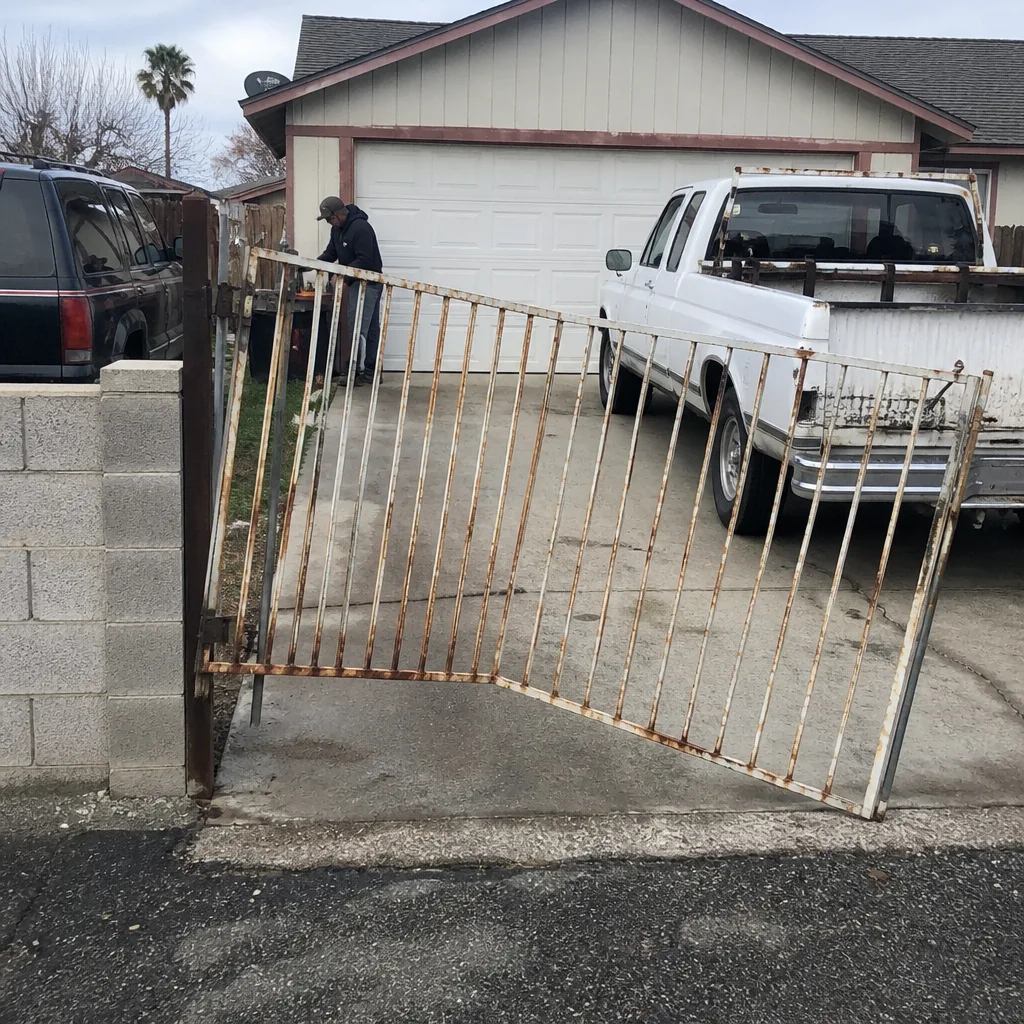
- Weld cracks. Look closely at every weld you can see, especially where vertical pickets meet the horizontal rails and where the hinge post meets the gate frame. A hairline crack grows with every cycle, and on a heavy gate a cracked weld eventually means a sagging or detached panel.
- Hinge lean. Open the gate to about halfway and look along the top rail. If the far end droops or the gate leans away from the post, the hinge is worn or the post has shifted. Hinge lean makes the gate drag, and drag overloads the operator and the motor. On heavy swing gates this is one of the most common hidden causes of motor strain.
- Ground track wear. On slide gates, inspect the track the wheels roll on. Flattened sections, grooves worn into the track, or a track that’s no longer level all force the operator to work harder. A v-groove wheel that has worn flat will skip and judder, and that judder travels straight up the drive chain into the motor and gearbox.
Enterprise’s dust and grit work their way into hinges, wheels and chains faster than most homeowners expect, so these visual signs appear sooner here than in milder climates. If you can see rust bleed or a crack from the driveway, a professional should look at it before the next wind event tests it.
What Do Access Control Problems Signal?
Access control faults are the quietest warning signs, and the easiest to dismiss as “the remote being finicky.” They usually signal electrical issues that reach beyond a single keypad or remote, and they tend to get worse in stages rather than suddenly.
- Intermittent keypad failures. A keypad that works on the third try, or works cold but not after the sun has been on it for hours, points to a connection fault, moisture in the housing, or a control board that’s losing its ability to process input reliably. Blaming the keypad alone often misses the real problem in the wiring behind it.
- Remote range reduction. If you used to open the gate from halfway down the driveway and now you have to be right at it, the receiver is losing sensitivity or the wiring between receiver and control board is degrading. Range shrinking steadily over weeks is a strong signal of a failing receiver module or a power supply issue.
- Loop detector misreads. The gate opens for nothing, or refuses to close because it thinks a vehicle is still on the loop. That’s a failing loop detector, a damaged loop in the ground, or a sensitivity setting that needs adjustment. A phantom loop that holds the gate open is both a security gap and a sign the detector is on its way out.
- Entry and exit devices behaving differently. A telephone entry system that suddenly drops calls, an intercom that buzzes, or a card reader that works for some credentials and not others all point to the same class of electrical fault. On systems like DoorKing entry equipment, these symptoms are worth tracing properly rather than swapping parts.
Access control problems on Enterprise properties often trace back to one root cause: a control board or power supply that’s degrading unevenly. Fixing the symptom doesn’t fix the source. When an access problem keeps returning after a reset, it’s time to have the system diagnosed rather than reset a third time.
Why Electric Gate Faults Start at the Source
Nearly every electric gate failure has a source, and the source is almost never the part that looks broken. A gate that won’t open might be a dead battery, a failed capacitor, a control board losing its position memory, a tripped breaker, or a photo-eye that’s been knocked out of alignment by a lawn mower. The operator is the messenger, not always the cause.
This is where gate specialists and generalists part ways. A general handyman will look at the gate, see that it doesn’t move, and guess at the operator. A specialist traces the fault from the source outward: power supply, control board, wiring, sensors, then the operator and the mechanism. That sequence matters because replacing a good operator won’t fix a bad control board, and no amount of keypad swaps will fix a failing receiver.
Full-spectrum electric gate capability means handling the whole chain in one visit. That includes diagnosing failed control boards, replacing or repairing operators, rewiring access systems, and sorting out the interaction between sensors, limits and the drive mechanism. It covers residential electric gates and commercial ones, because the failure modes are the same even when the scale differs. Our technicians have up to 8 years of experience, and they’re fluent in the quirks of each system rather than guessing at them.
If your gate’s symptom is electrical rather than mechanical, don’t let a reset or a new battery mask it. A proper diagnosis at the source is what keeps the gate running after the first repair instead of failing again next month.
Severity Triage: Monitor, Schedule, or Same-Day?
Not every warning sign is urgent. The trick is knowing which ones let you wait and which ones are about to lock you in or out. Use this triage table to rate what you’re seeing at your Enterprise property.
- Monitor and schedule (watch it, book service when convenient): light rust bleed on a fastener, mild clicking that hasn’t worsened, cosmetic paint failure, a slightly slower cycle in cold weather, a keypad button that feels loose but works every time. These are early signs, and catching them with a scheduled repair keeps the cost low.
- 72-hour priority (book within a few days): grinding that’s growing louder, hinge lean you can see from the driveway, a track with visible wear, intermittent keypad failures, shrinking remote range, an incomplete cycle that needs a second command. These signs point to a component that’s already failing and will worsen with every cycle.
- Same-day service (call now): the gate is stuck open or stuck closed, the operator hums without moving, the gate reverses mid-travel or reverses onto a vehicle, a weld crack on a load-bearing joint, a panel that has shifted on its hinges, an access control failure that prevents entry or exit, or a gate that’s stuck partway across the driveway. Any of these can trap someone or leave your property open to the street.
The urgency rating matters because each cycle the gate runs in a stressed state adds wear. A grinding operator that gets a scheduled visit is a smaller repair than the same operator run until it seizes. When you’re not sure which tier a sign belongs in, err on the side of a professional look, especially if the gate controls the only vehicle access to your property.
Why the Brand on Your Operator Matters
Every gate automation brand has its own control logic, its own limit-setting procedure, its own error codes and its own tendency toward particular failure modes. A technician who works across many brands can read those signs immediately, which is why brand fluency is a diagnostic advantage rather than a sales claim.
Gate Repair Enterprise is certified to work on nine named gate and operator brands: LiftMaster, FAAC, BFT, Linear, Viking, Ghost Controls, DoorKing, Elite, and Mighty Mule. That range means a specific symptom on your LiftMaster slide operator doesn’t send us looking at the manual. The behavior of a BFT swing operator under strain, the way a FAAC control board reports a sensor fault, the battery behavior on a solar Mighty Mule system, or the entry logic on a DoorKing access system: we know what those look like because we see them regularly.
This matters for the warning signs in this guide. The movement faults, sound patterns and access control glitches all read differently depending on the brand and model in front of you. A specialist who knows gate repair across this full brand range spends less time diagnosing and more time fixing, and the customer isn’t told “we don’t work on that brand” and sent hunting for someone who does.
How Enterprise Heat and Dust Accelerate Gate Wear
Gate components age faster in Enterprise than in milder climates, and that changes how much weight to give each warning sign. The summer heat load is the biggest factor. Operators, control boards and batteries all run hotter, and a motor that’s already drawing excess current from a binding mechanism fails sooner under sustained heat than it would in a cooler place.
Dust and grit are the second factor. Windblown grit works its way into hinges, slide track wheels and drive chains, wearing them down and turning what would be slow wear into faster wear. A hinge that would take years to loosen in a damp climate can develop lean sooner here because the dust is constantly abrading the joint. The same grit gets into chains and track grooves and accelerates the grinding and judder that point to failing components.
The result is that the “monitor and schedule” tier of warning signs deserves a shorter timeline in Enterprise than a generic guide would suggest. A rust bleed you’d watch for a season elsewhere is worth a professional look sooner here. A grinding operator that flares up on the first hot week of summer is telling you the motor was already under strain. Watching for signs on a seasonal rhythm, with more attention in the heat of summer and after windy periods, catches failures while they’re still cheap to fix.
Enterprise is a working town with long, hot summers and plenty of dust in the air, and gate hardware feels it. A gate specialist who works here knows which signs matter most and how quickly to act on them.
Common Mistakes to Avoid
- Treating a hesitation as normal. That half-second pause before the gate moves is a motor under load, not a quirk. Ignoring it is how a small repair turns into a motor or control board replacement. Watch for it every cycle, especially in summer heat.
- Blaming the keypad when the wiring is the problem. Intermittent keypad failures usually trace back to connections or the control board, not the keypad itself. Swapping keypads repeatedly costs more than one proper diagnosis at the source.
- Resetting the system instead of diagnosing it. A gate that keeps needing a reset has a real fault the reset is hiding. The third reset in a month is a signal to call, not a solution.
- Greasing everything. Over-lubricating a chain or track can attract exactly the dust that wears Enterprise gate hardware down. Follow the brand’s guidance and let a specialist handle lubrication during a scheduled visit.
- Ignoring a rust streak because “it’s just a spot.” Rust bleed marks where water is getting inside a weld or hinge, and the failure is structural. A weld crack is a load-bearing signal, not a cosmetic one.
- Waiting for the gate to fully fail. Every sign in this guide is an early warning, and early warning is the whole point. The gate that’s limping is cheaper to fix than the gate that’s dead in the open position.
- Handing a gate to a generalist. A garage-door or general handyman company won’t know the brand-specific logic behind your operator’s faults. Gate-only focus matters for a clean diagnosis.
If any of these mistakes sound familiar, the good news is that the fix usually starts with a single proper look at the system. Gate Repair Enterprise is a gate-only specialist, and Enterprise homeowners can book a visit before the next sign turns into a failure.
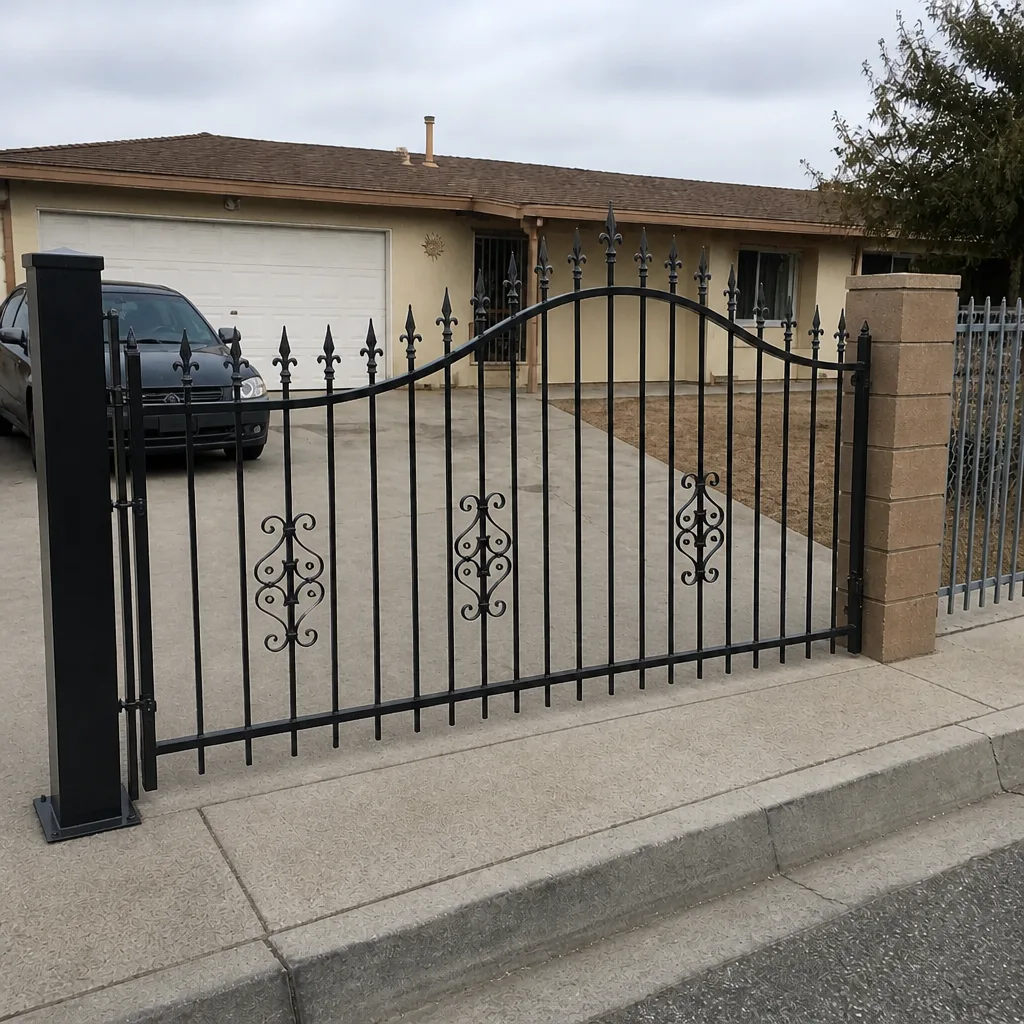
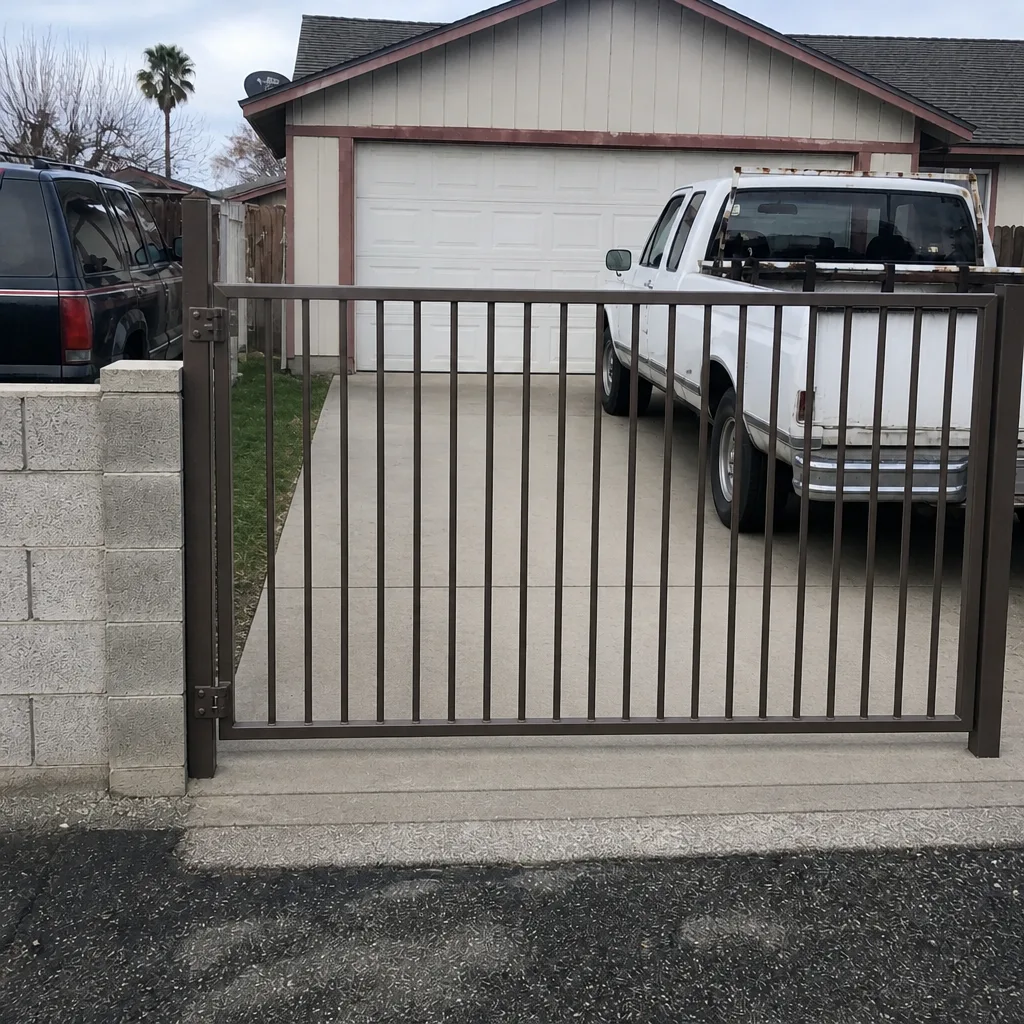
See the difference
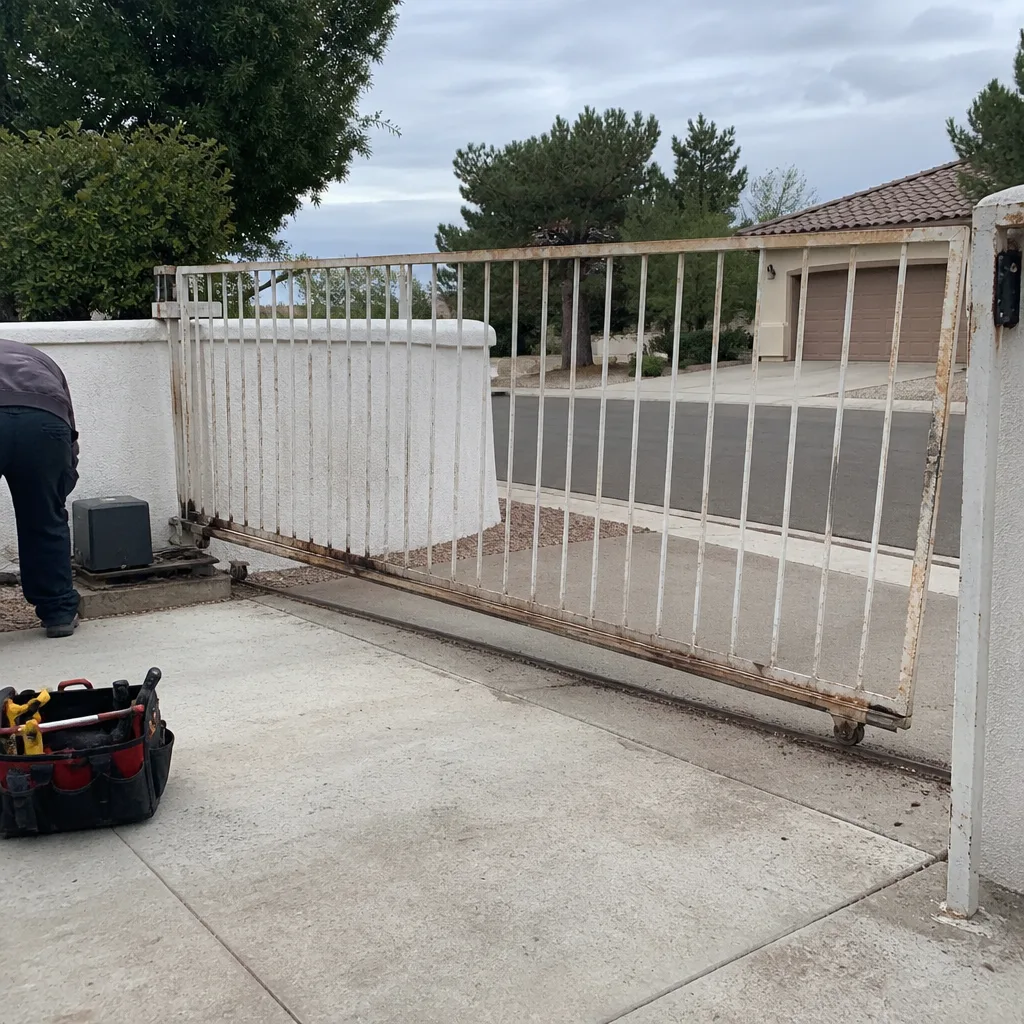 Before
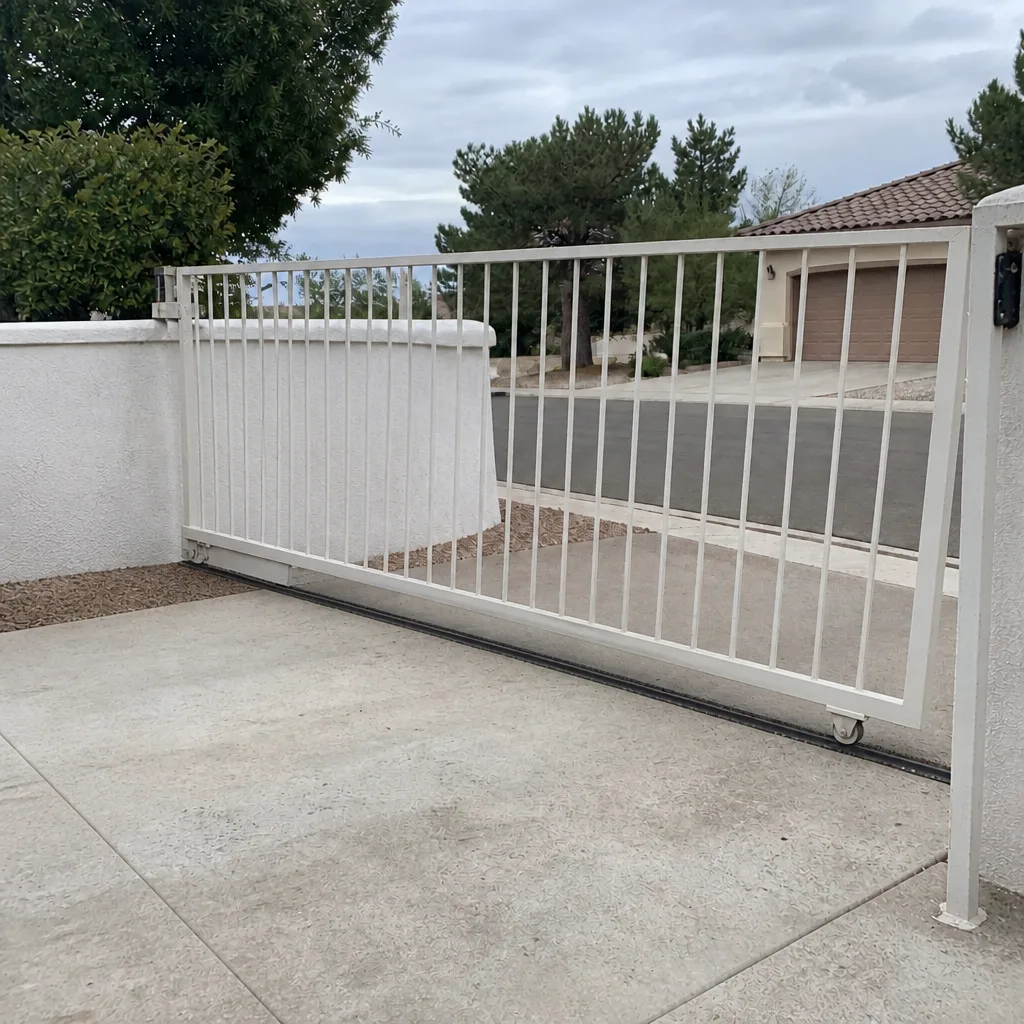 After
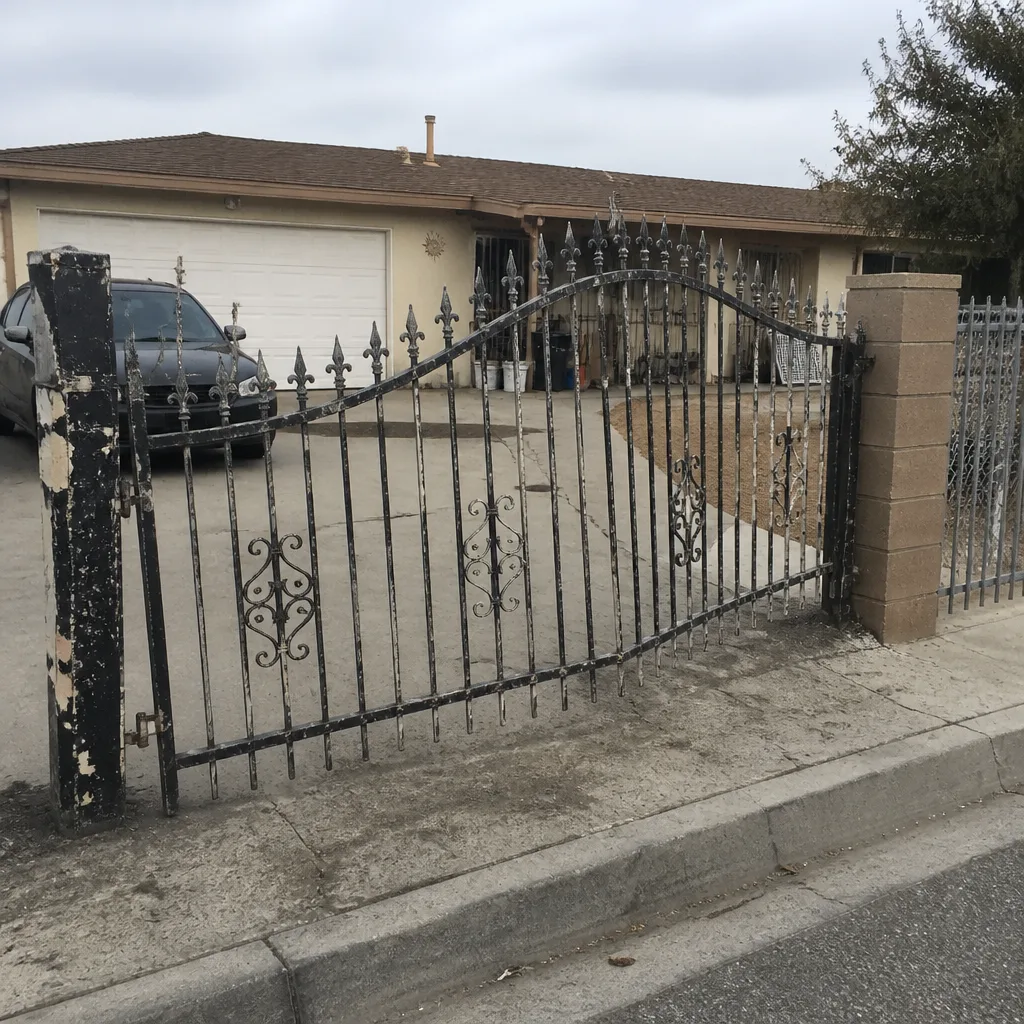 Before
 After
 Before
 After
When to Call a Professional
Call a professional when you hear grinding, humming or repetitive clicking from the operator; when the gate shows any movement fault like inconsistent speed, mid-travel reversal or incomplete cycles; when you can see a weld crack, hinge lean or serious track wear from the driveway; or when access control glitches keep returning after resets. Call the same day if the gate is stuck open, stuck closed or stuck partway, or if it reverses onto a vehicle or won’t let you in or out. Gates carry heavy panels and live electrical components, so avoid prying, forcing or rewiring anything yourself. Gate Repair Enterprise offers free estimates in Enterprise. Call (844) 423-3067. We answer 24/7, and fast dispatch is available from 7am to 7pm, Sunday through Friday.
Frequently Asked Questions
The four most common warning signs are unusual sounds (grinding, clicking, humming, slapping), movement faults (inconsistent speed, mid-travel reversal, incomplete cycles), visible hardware wear (rust bleed, weld cracks, hinge lean, ground track wear), and access control glitches (intermittent keypads, shrinking remote range, loop detector misreads). Each points to a specific component that’s failing. Call (844) 423-3067 for a free estimate if you’re seeing any of them.
Yes. A half-second pause before the gate moves means the motor is drawing excess current or the mechanism is binding, and under Enterprise’s summer heat load it usually turns into a full failure within 30 to 90 days. It’s one of the earliest and most reliable warning signs. Have it looked at before it becomes a same-day emergency.
We can usually have a technician on site the same day to diagnose a gate problem, because faults are traced from the source (power, control board, wiring, sensors, operator) in a single visit. Free estimates are available. Call (844) 423-3067. We answer 24/7, and fast dispatch runs from 7am to 7pm, Sunday through Friday.
We’re certified to work on nine brands: LiftMaster, FAAC, BFT, Linear, Viking, Ghost Controls, DoorKing, Elite, and Mighty Mule. If your operator comes from one of these, we know its quirks and its common failure modes. Call (844) 423-3067 to confirm your model and book a visit.
If the gate is stuck open, stuck closed or stuck partway across the driveway, call for same-day service. That’s the highest-urgency tier of warning sign because it can lock you in or out or leave your property open to the street. Don’t force the gate or pry at the mechanism. Call (844) 423-3067 for a free estimate and same-day dispatch.
We’re closed Saturday. We answer the phone 24/7, but dispatch runs Sunday through Friday, 7am to 7pm. A call outside those hours is booked into the next opening. If your gate fails on a Saturday, call and we’ll get you booked in for Sunday. Call (844) 423-3067 for a free estimate.
The Bottom Line
A gate failure is rarely sudden. It announces itself first through sounds, movement changes, visible wear and access control glitches that show up days to weeks before the gate stops. Learn what normal looks like, watch for those signals, and rate what you see using the triage table: monitor and schedule the early signs, book the 72-hour priorities before they get worse, and call same-day for anything that risks locking you in or out. Enterprise’s heat and dust make early action worth more here, not less. If you’ve spotted a warning sign, call (844) 423-3067 for a free estimate. We answer 24/7, with fast dispatch from 7am to 7pm, Sunday through Friday.
Written by the team at Gate Repair Enterprise.